
Sadiq Khan says a third Heathrow runway would need more Piccadilly line trains and a signalling upgrade nobody has agreed to fund. He still opposes it.
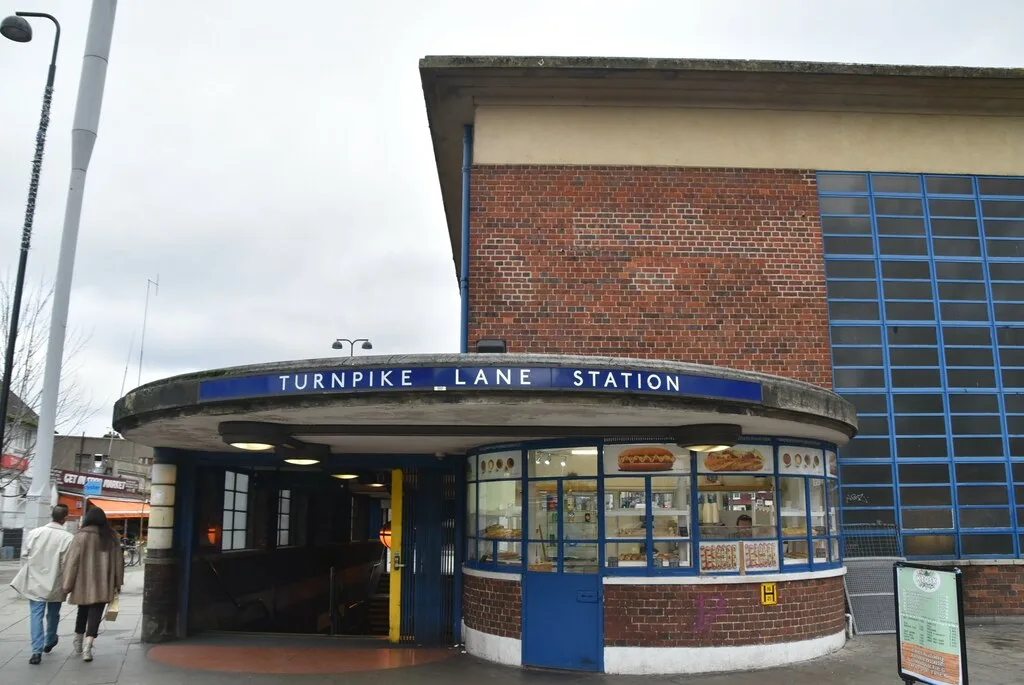
A bigger Heathrow would need more trains on the Piccadilly line, the line that stops at Manor House, Turnpike Lane and Wood Green, along with a major signalling upgrade, City Hall said on Thursday 26 November 2026. It added that no agreement is in place to pay for that public transport work.
The point came as Sadiq Khan responded to the second report from MPs on the Commons Transport Select Committee on the draft Heathrow Expansion National Policy Statement (HENPS), published the same day. The Mayor of London said he continues to “vehemently oppose” a third runway and wants the Government to “take on board the findings of the committee.”
Overview
- The report: the Transport Select Committee published its second scrutiny report on the draft HENPS on 26 November 2026.
- The Mayor: welcomes the scrutiny, is “hugely concerned” about noise, air pollution and climate targets, and opposes expansion.
- The Piccadilly line: City Hall says more services and a major signalling upgrade would be needed, alongside extra Elizabeth line services.
- Who pays: Heathrow would fund road changes, but City Hall says there is no agreement on the public transport investment.
- Air quality: City Hall says a larger airport threatens the gains made since the ULEZ, which now covers every London borough, Haringey included.
The Mayor’s statement
“I welcome the Transport Select Committee’s thorough scrutiny of Heathrow expansion plans,” Sadiq Khan said. “I remain hugely concerned about the impact a third runway would have on noise and air pollution as well as our ability to meet climate change targets.
“I remain unconvinced that hundreds of thousands of additional flights each year could be delivered without a hugely detrimental impact on our environment and local communities. There are also significant knock-on effects that Heathrow expansion would have on London’s transport infrastructure. The new capacity required from additional transport services would also place a substantial extra burden on the taxpayer.
“I continue to vehemently oppose these plans, and the Government should take on board the findings of the committee.”
The committee’s report is on the Parliament website. The Mayor, the Greater London Authority and Transport for London set out their response to the consultation on the draft statement on TfL’s aviation page. The Department for Transport’s reply to the committee is in our earlier story.
Trains, buses and roads
City Hall expects public transport trips to Heathrow to double under the plans. To carry them, it says, extra Elizabeth line and Piccadilly line services would be needed, the Piccadilly with a major signalling upgrade, plus new rail links to the south and west of the airport and bus and cycle priority to, from and around it.
“Ultimately, the benefits outlined in the statement depend on major rail and public transport investment that has not been secured,” City Hall said.
On the roads, it says the travel targets in the proposals could still produce around 60,000 extra highway trips a day, about 22 million a year and a 35 per cent increase on current airport traffic, mostly on local roads and on the M4 and M25. If ministers do approve expansion, the Mayor wants a target of no additional highway trips.
What City Hall says about the air
The ULEZ began in 2019 and was expanded in 2021 and 2023. City Hall says King’s College London once predicted it would take almost two centuries for nitrogen dioxide (NO2) in London’s air to come within legal limits, and that the capital got there last year, 184 years ahead of that forecast.
It also points to:
- Imperial College London research showing a 34 per cent fall in NO2 and a 28 per cent fall in PM2.5 near Heathrow between 2019 and 2024;
- around 40 per cent fewer estimated deaths associated with air pollution since the ULEZ, with hospital admissions also down;
- a Queen Mary University of London study finding children are developing stronger and healthier lungs since the zone began.
“Expanding Heathrow threatens to undo these hard-won gains, putting Londoners’ health at risk,” City Hall said.
Noise and night flights
The plans mean a 58 per cent increase in flights, by City Hall’s figures. It argues that quieter aircraft and better operations would be used to fly more often rather than to cut noise for people already living under the flight paths.
City Hall calls the noise mitigations in the proposal “misleading at best”. It says what is described as a night flights ban could allow night flights to double, and that the predictable respite on offer would give most residents half the break from flight noise they have today.
The money
City Hall says the case for expansion rests heavily on Airports Commission evidence from more than a decade ago, before changes in business travel demand, airport capacity elsewhere and climate commitments.
It says the Government’s own appraisal gives the scheme a negative net present value of between £23 billion and £63 billion, suggesting the UK could be worse off overall, and puts its contribution to GDP at 0.05 per cent in 2056, a 90 per cent reduction on what the Government promised when it backed the scheme in January 2025.
Source: Mayor of London press office.
Have your say