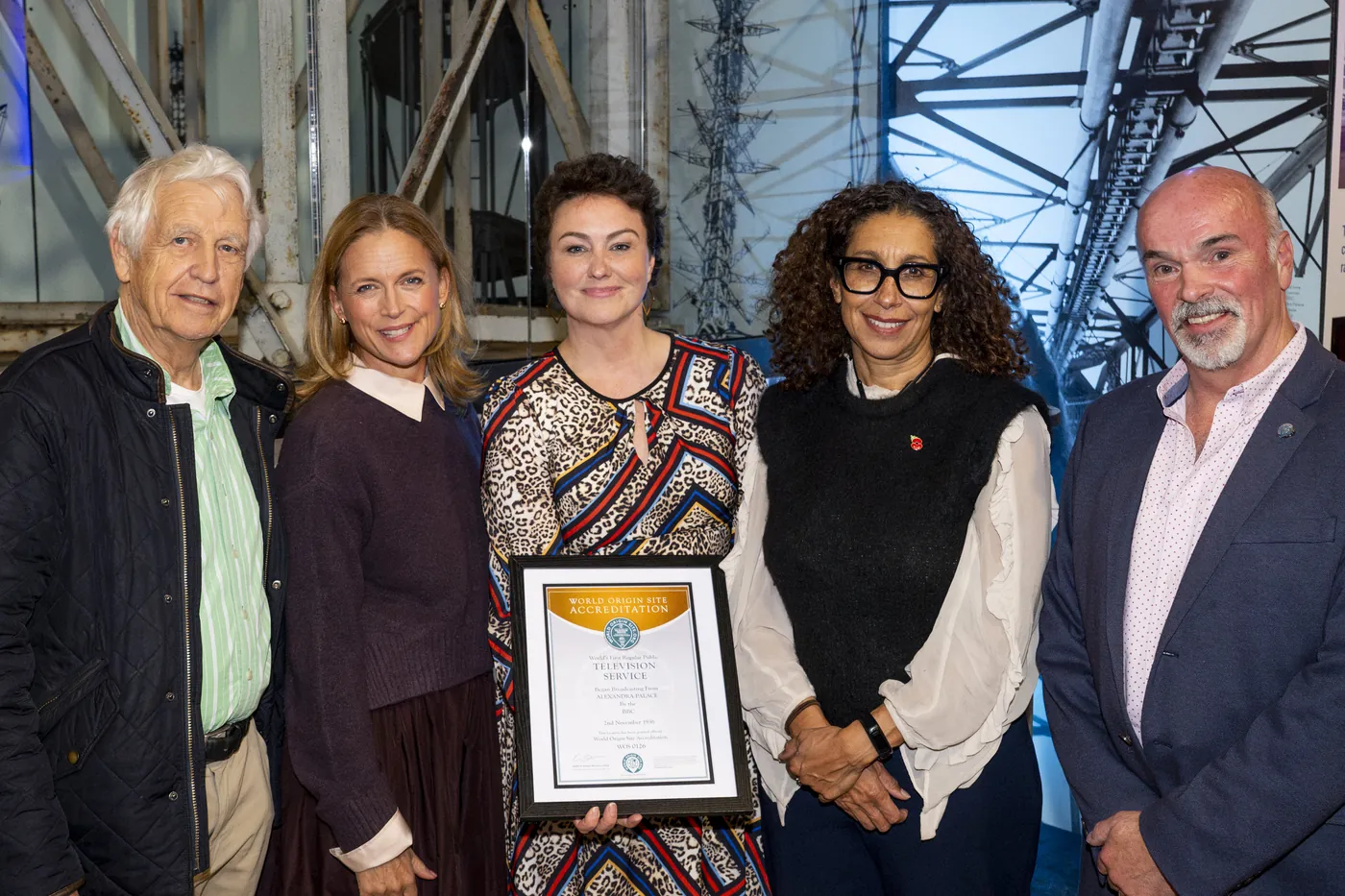

Alexandra Palace unveiled a World Origin Site plaque and a clock counting down to 2036 for TV's 90th anniversary. The free display runs until 30 November.
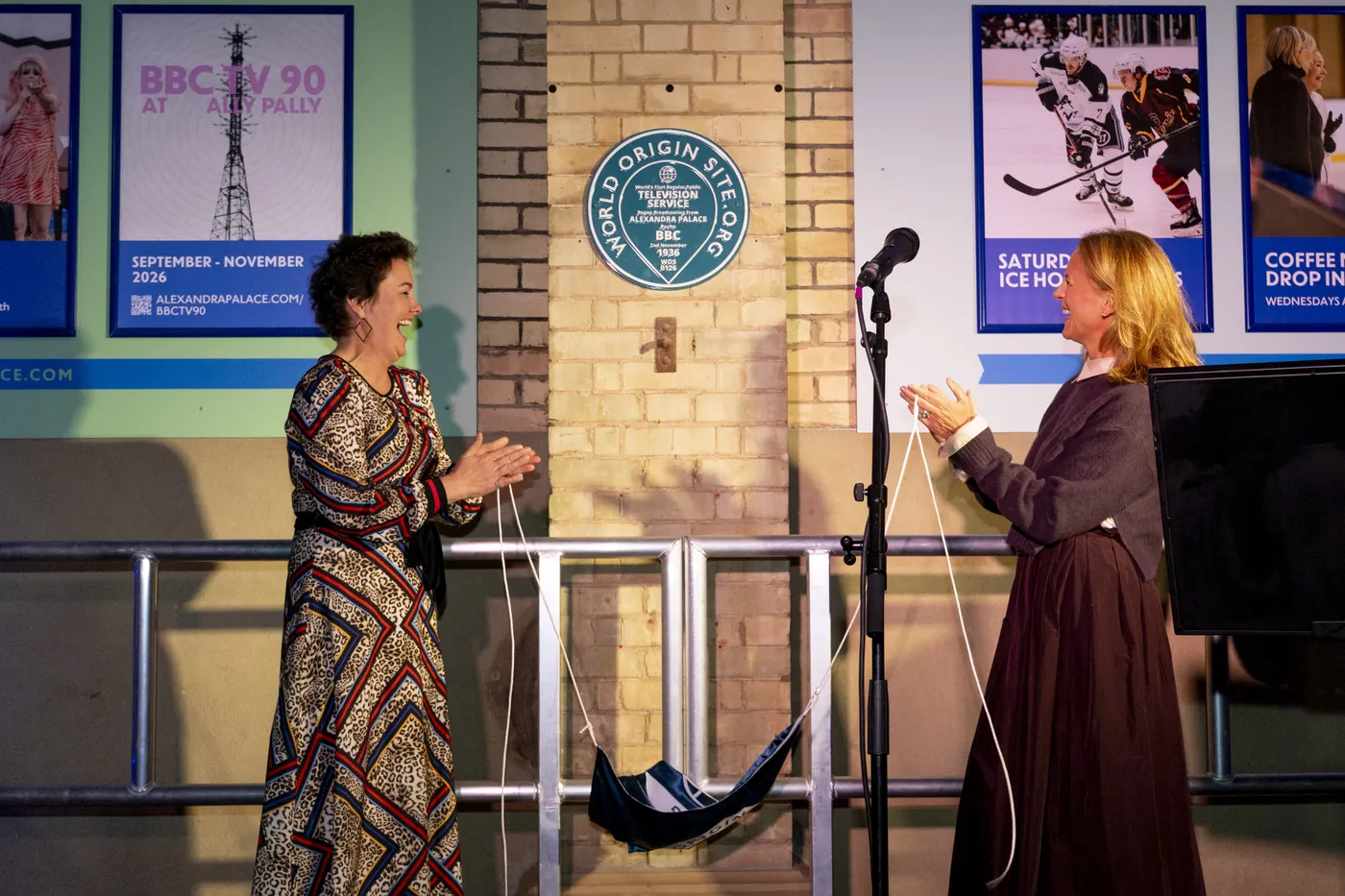
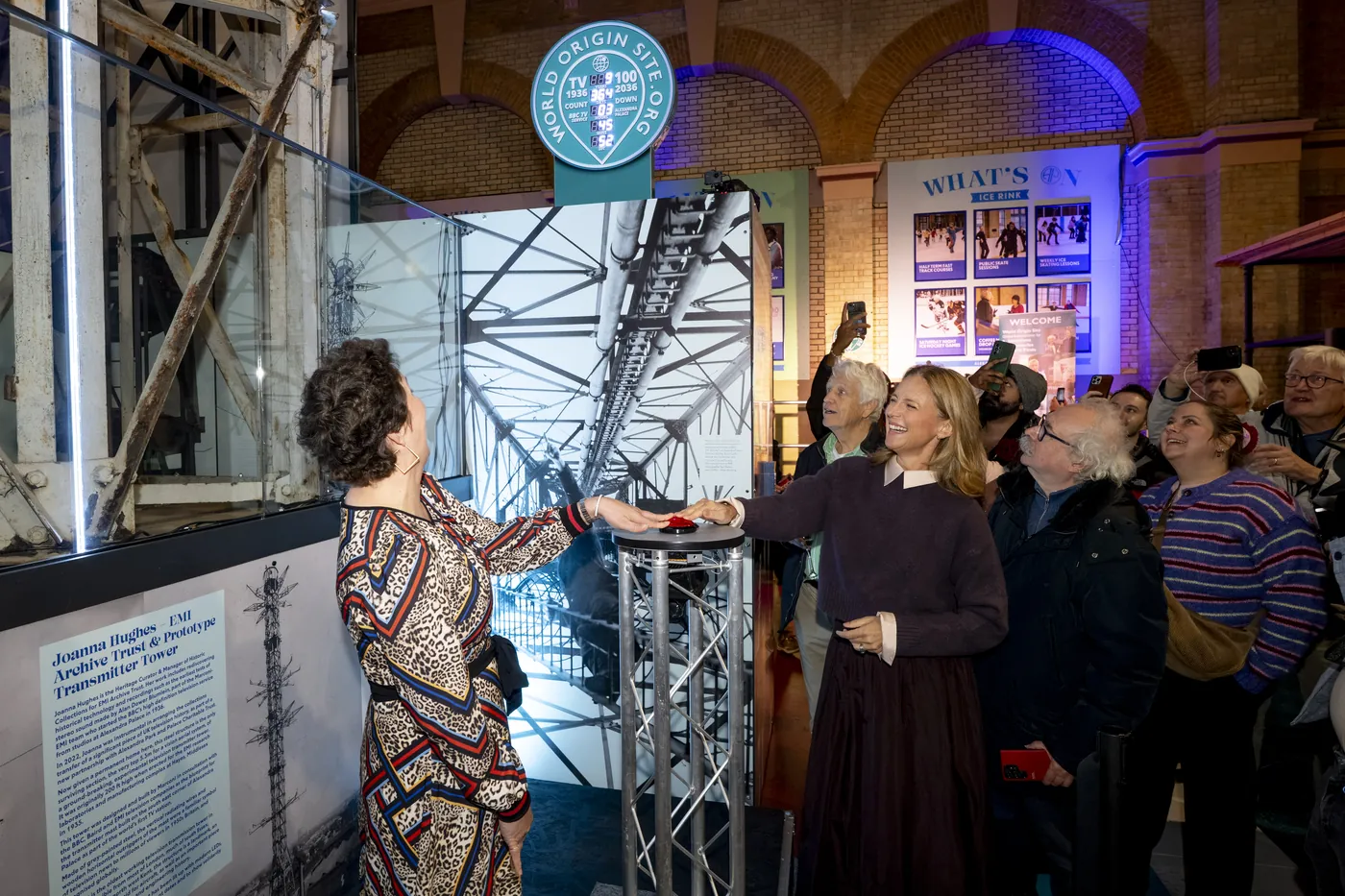
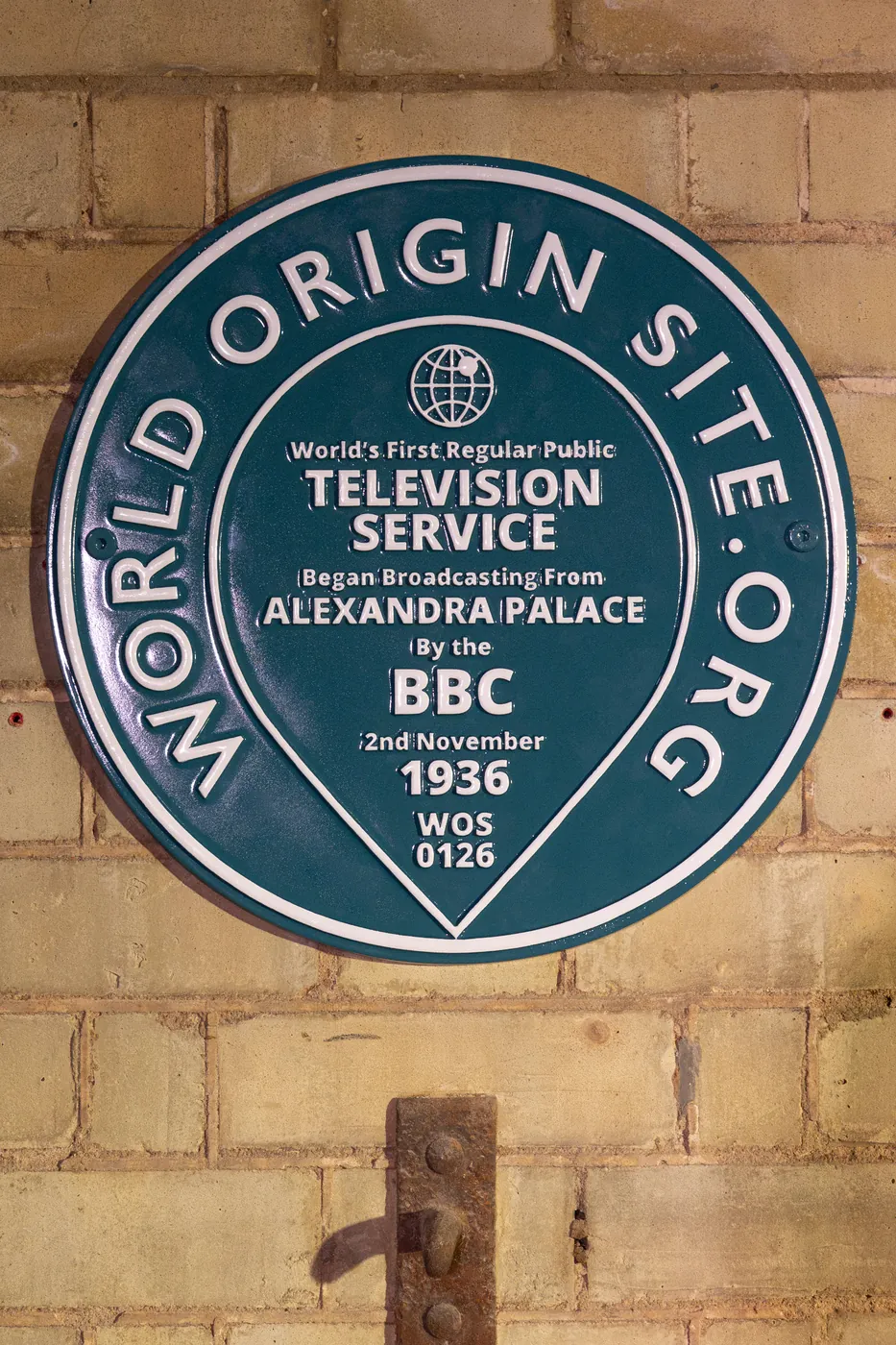
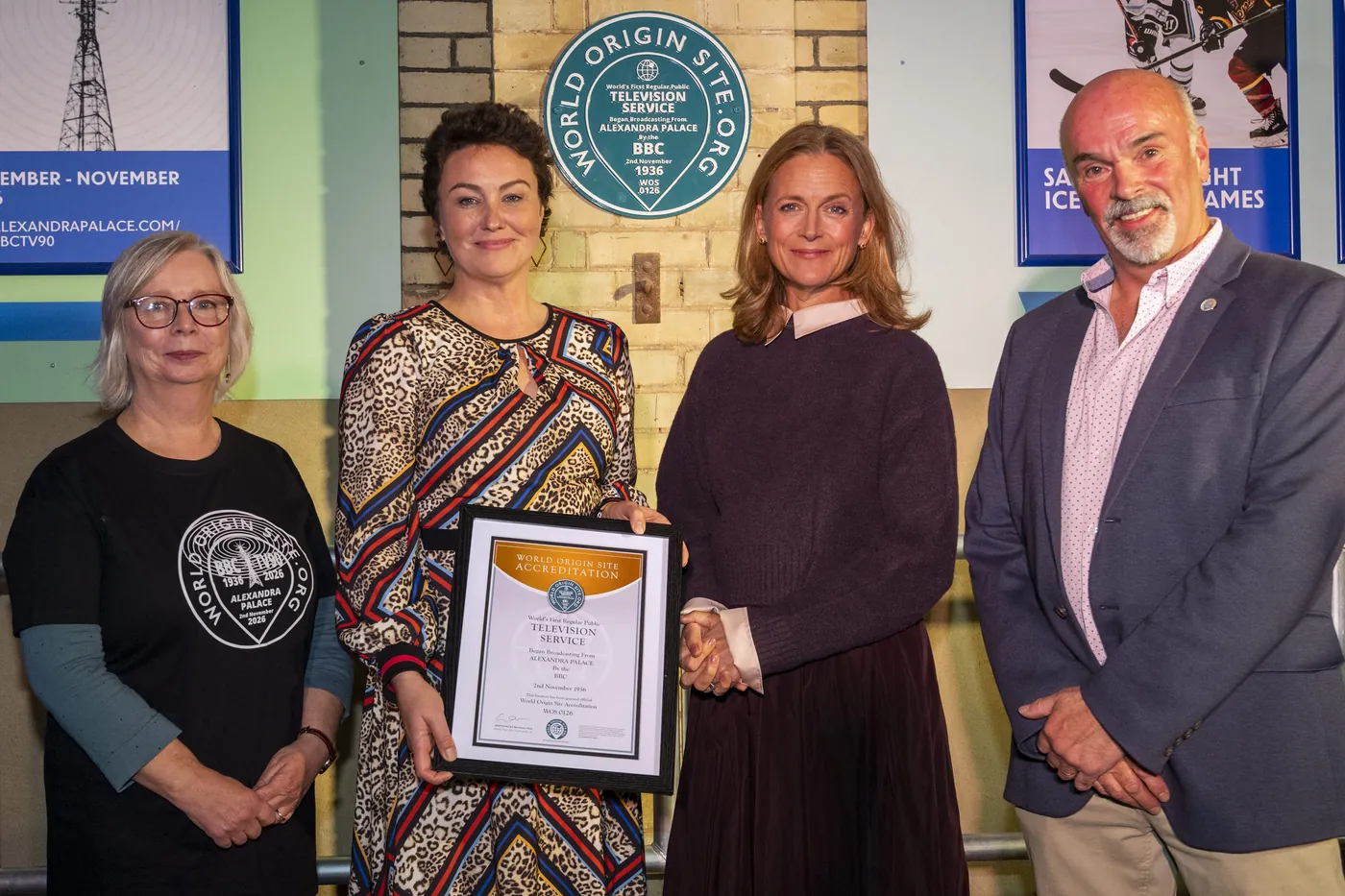
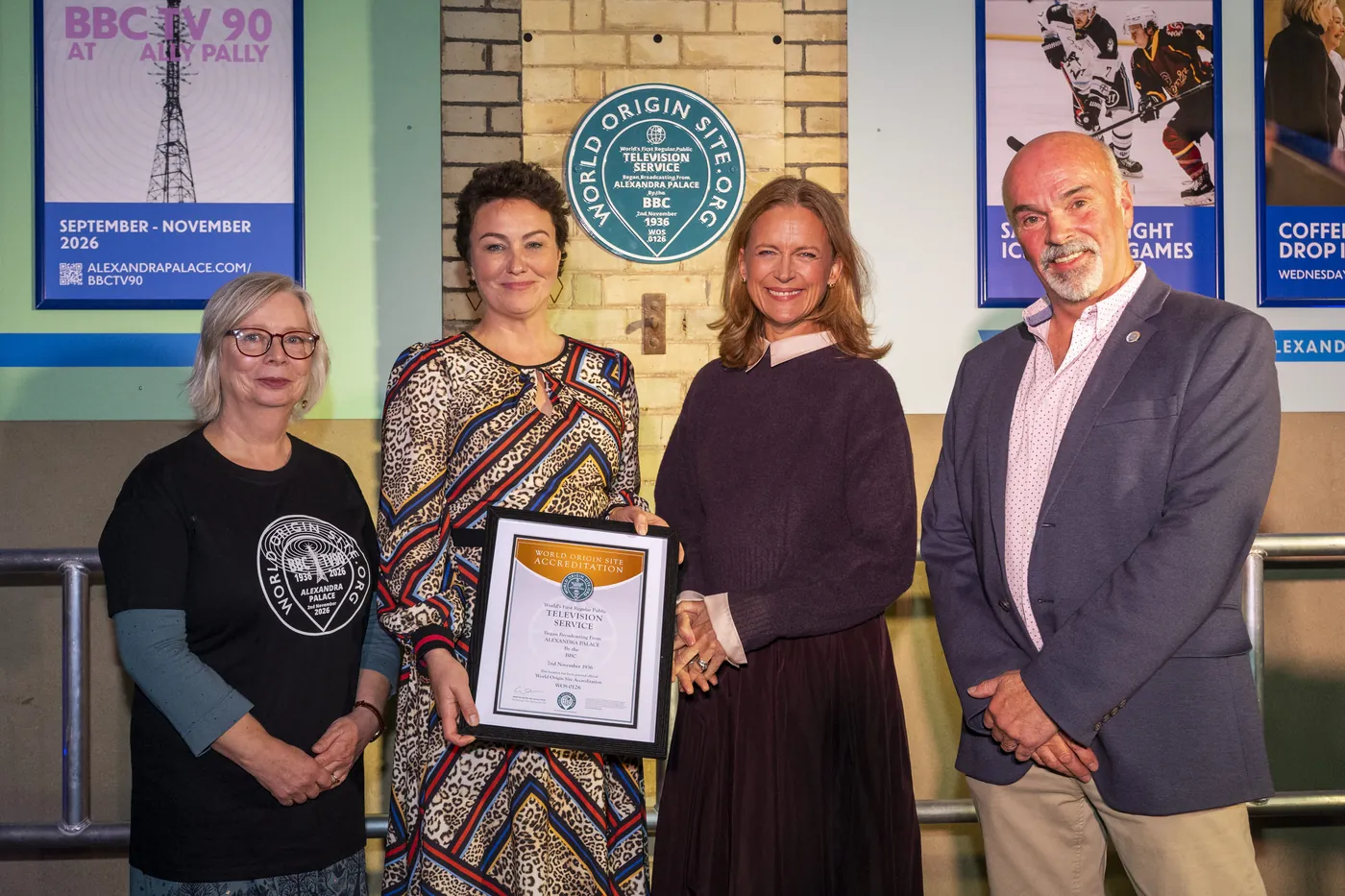
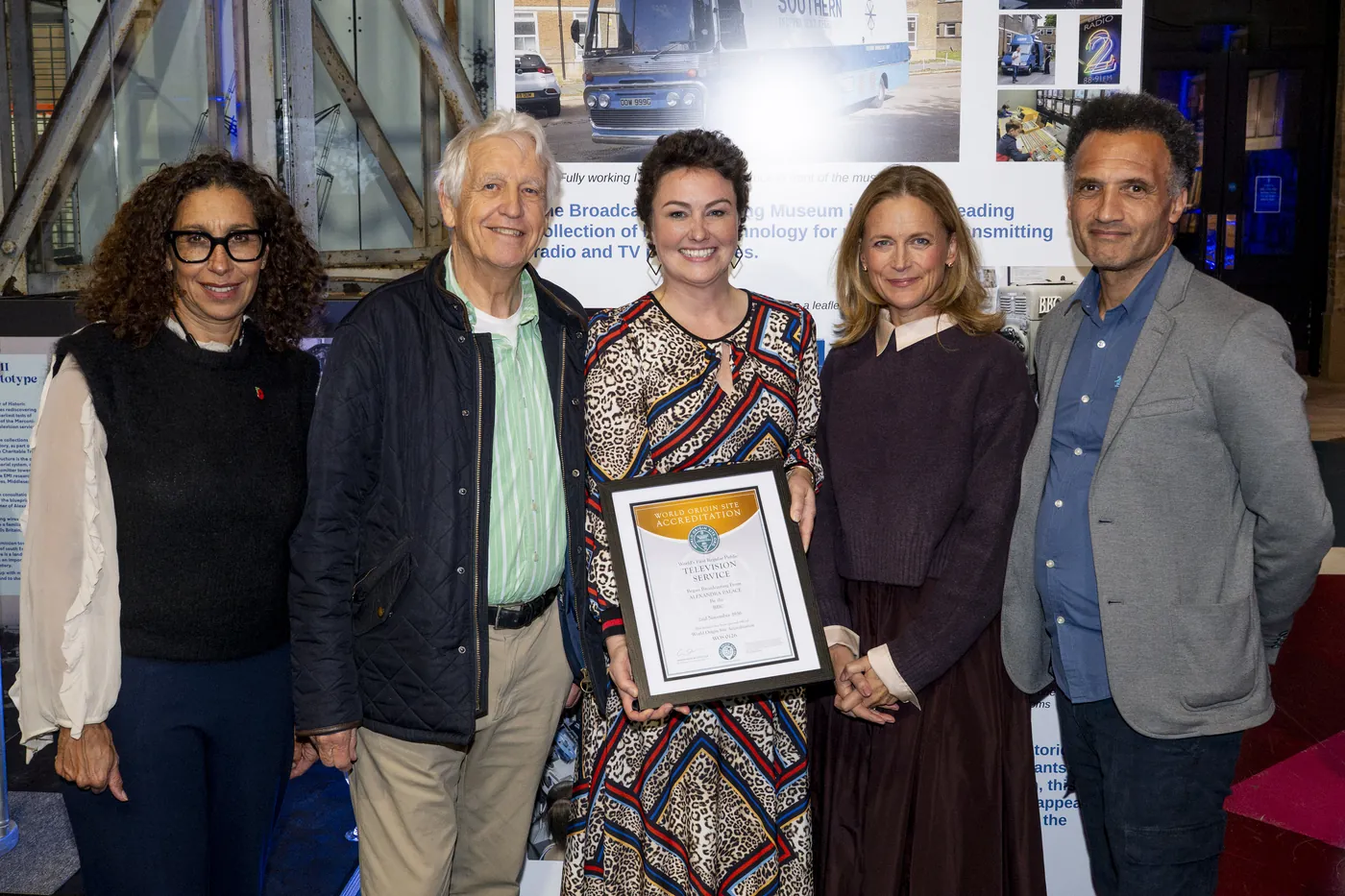
Alexandra Palace has a new World Origin Site plaque, unveiled on Monday evening, 90 years to the day after the BBC launched its television service from the building.
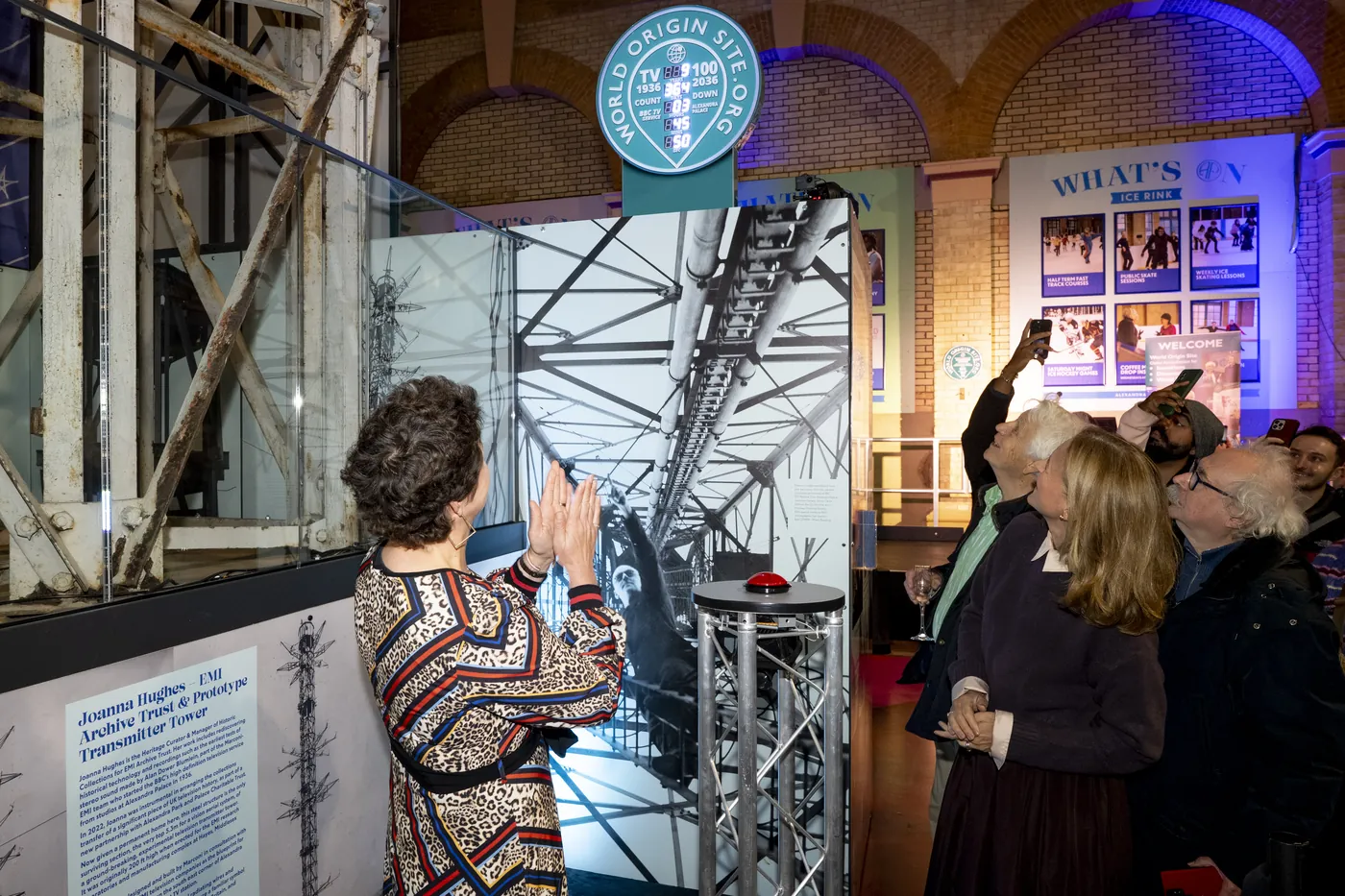
A countdown clock was started at the same event in the Palace’s East Court. It counts the years until television’s centenary in 2036.
You can go and see the story behind it for nothing. The free BBC TV 90 at Ally Pally display in the East Court stays open until 30 November, daily from 9am to 5pm. The Palace is about a mile north of Crouch End Broadway in a straight line.
What the plaque says
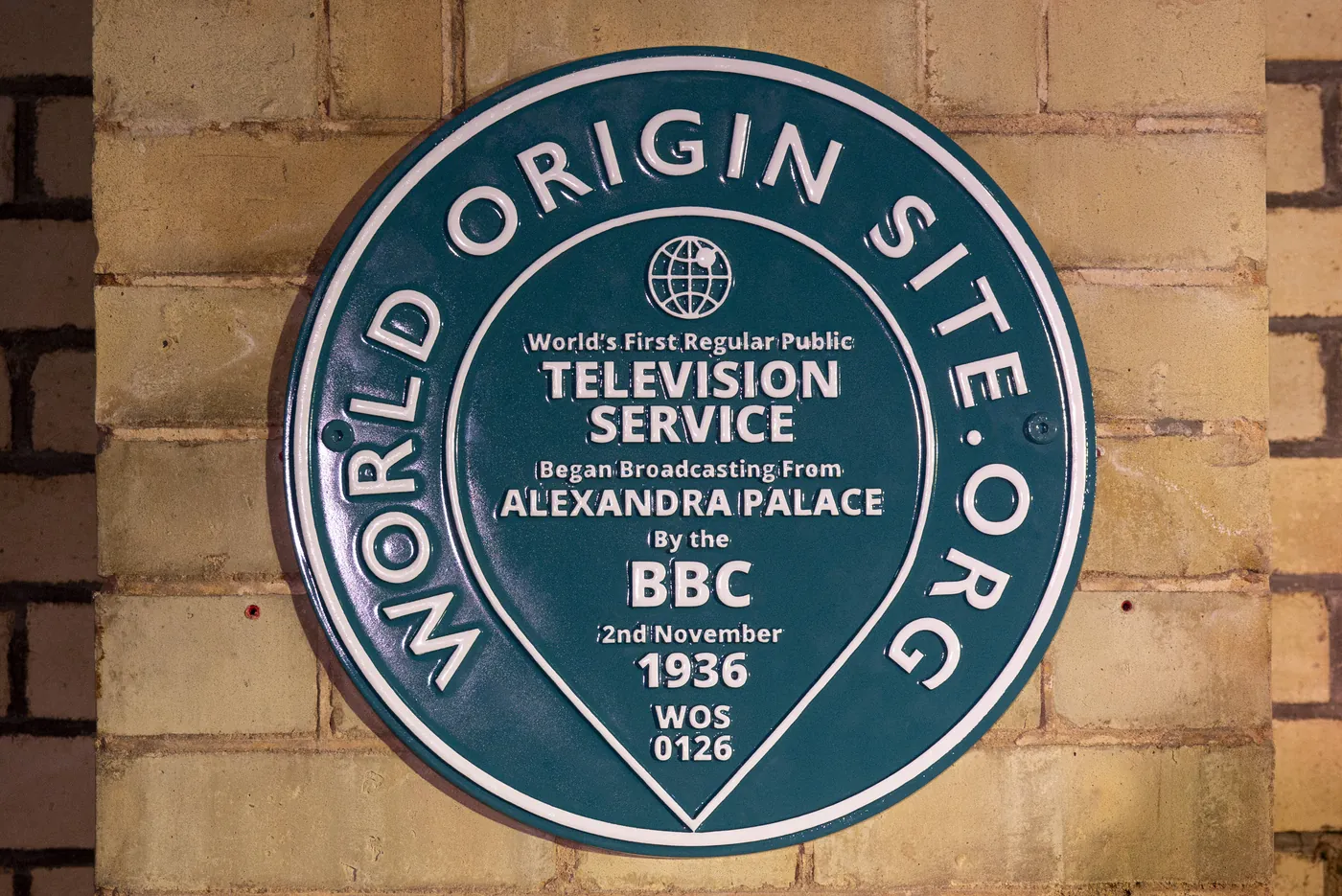
World Origin Site plaques recognise places where something of international significance was first invented, discovered or first used.
This one is numbered WOS 0126. Its wording reads: “World’s First Regular Public Television Service Began Broadcasting From Alexandra Palace By the BBC, 2nd November 1936.”
The clock counting to 2036
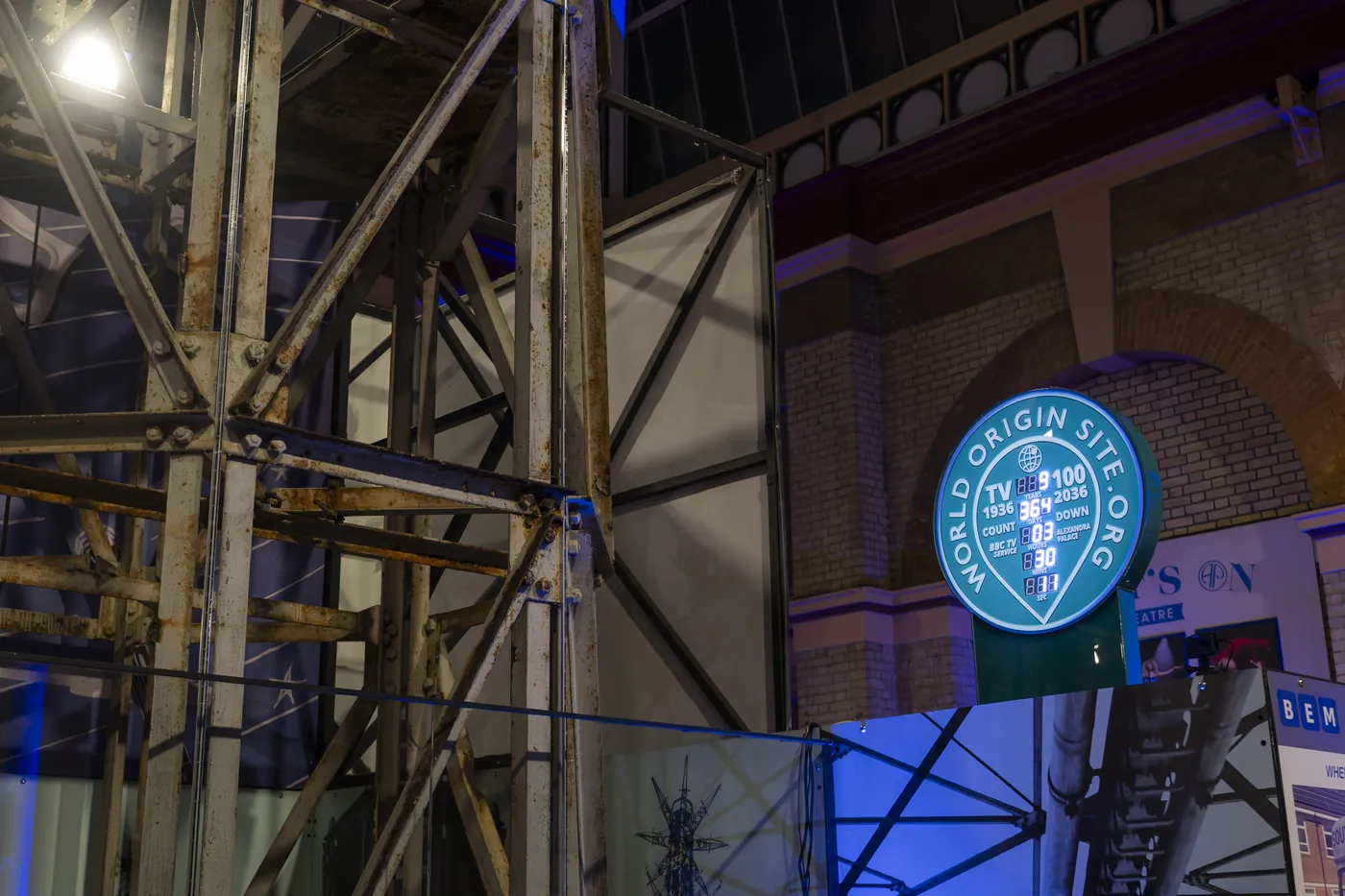
The clock has the same round green shape as the plaque. It is marked “TV 1936” on one side and “100 2036” on the other, with years, days, hours, minutes and seconds running down the middle.
In one of the Palace’s pictures from the night, it reads 9 years and 364 days.
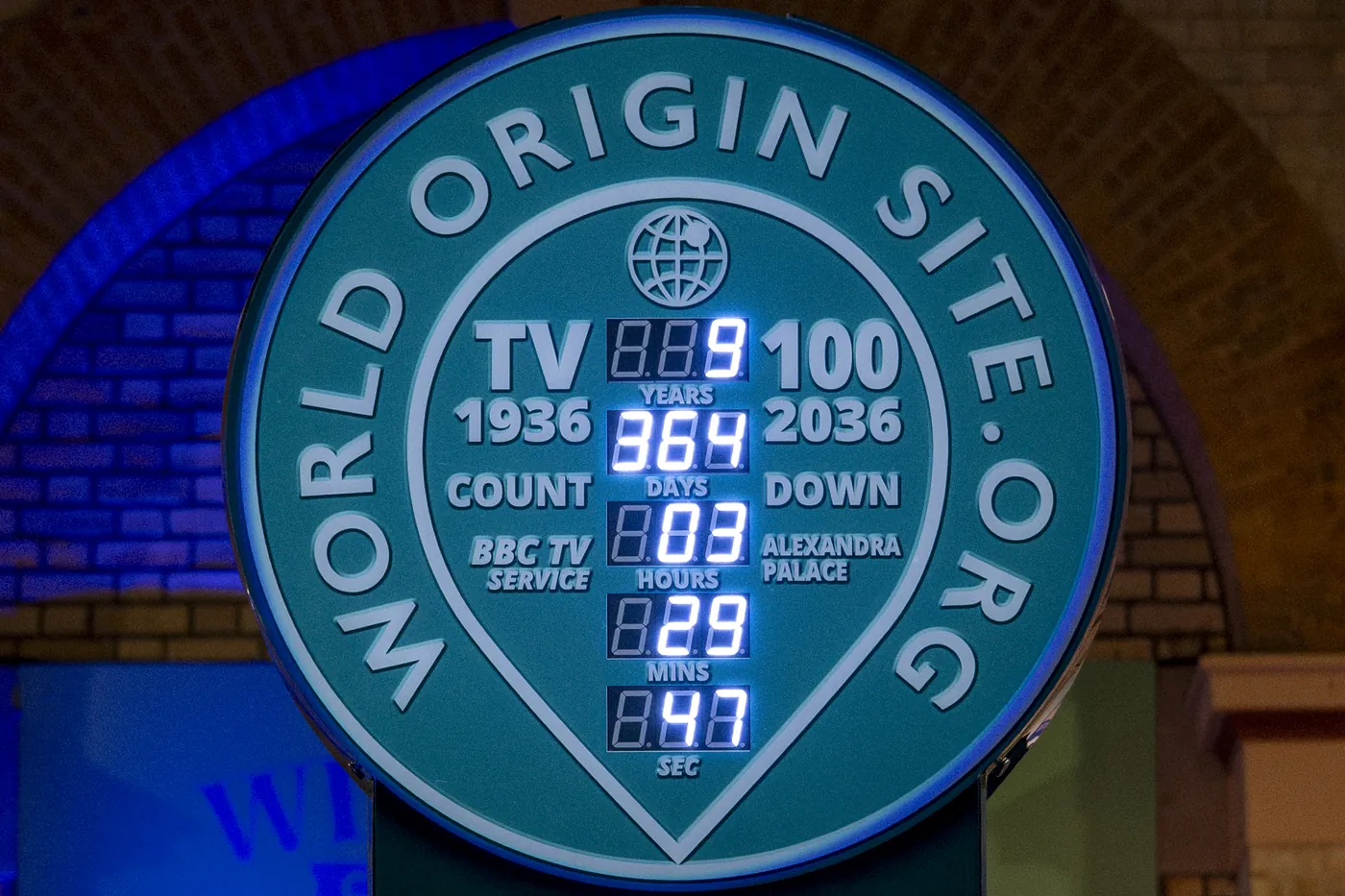
2 photos, swipe or scroll. Photos: Alexandra Park and Palace Charitable Trust / SLB Photography
Who was there
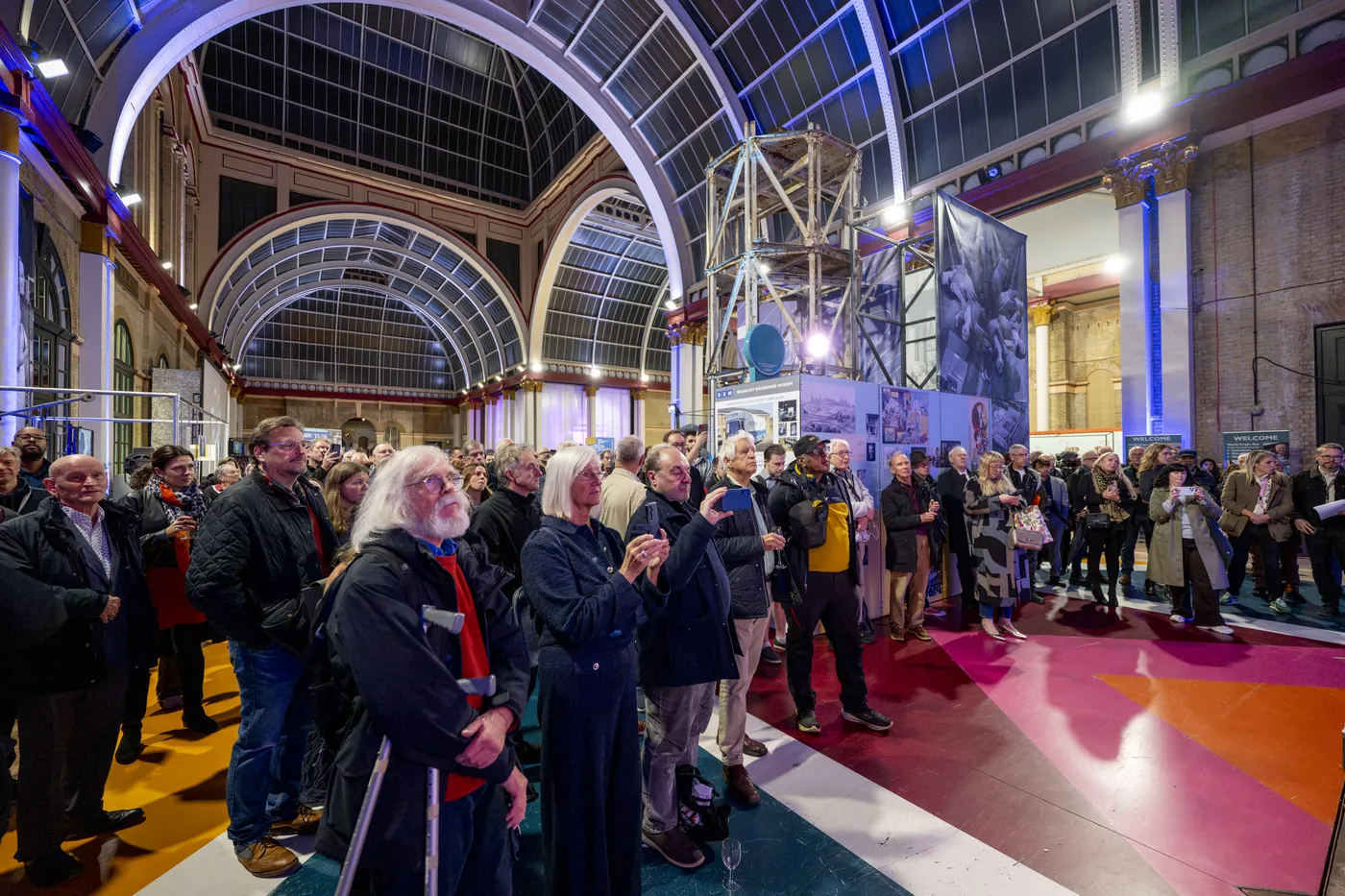
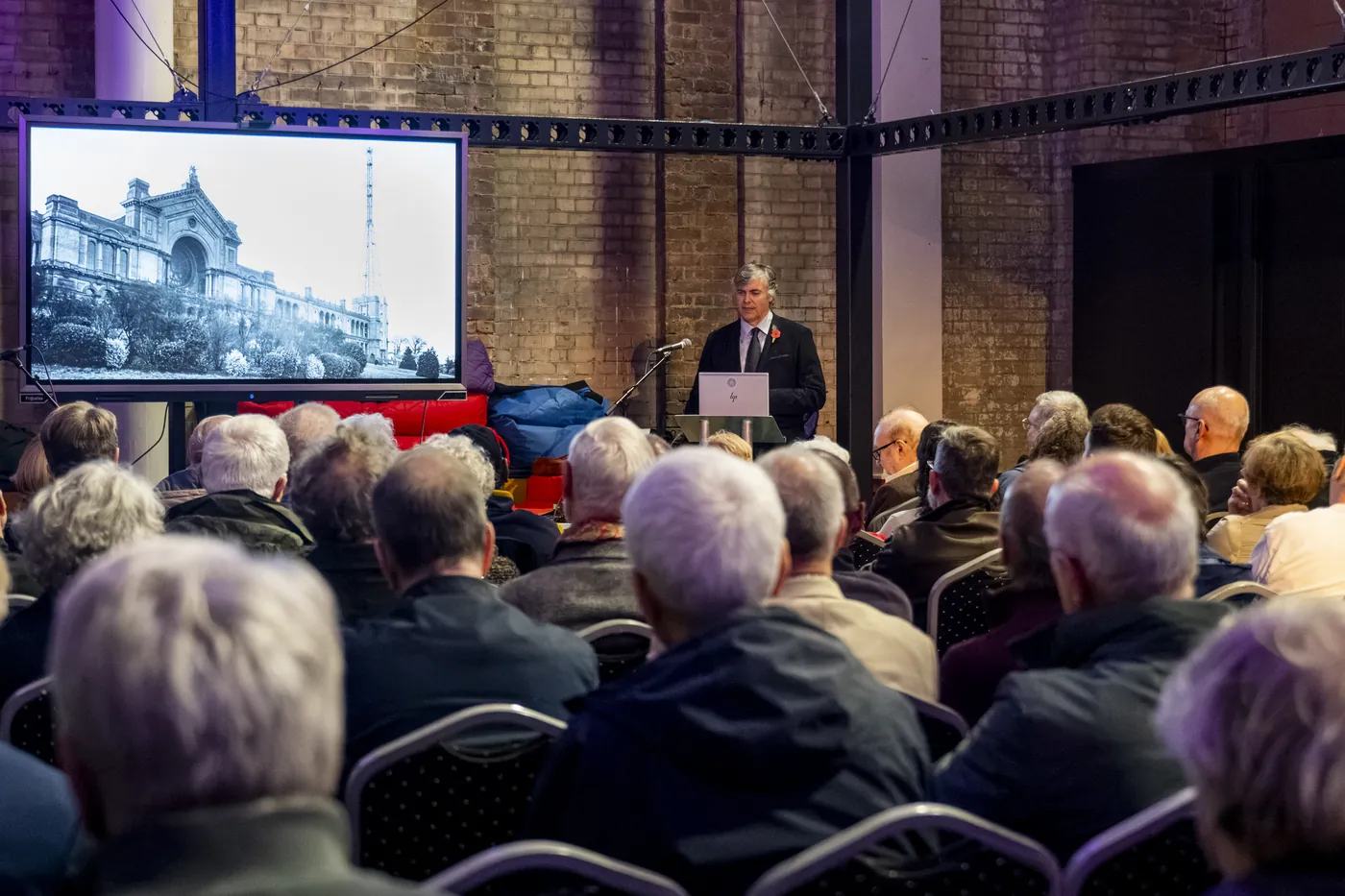
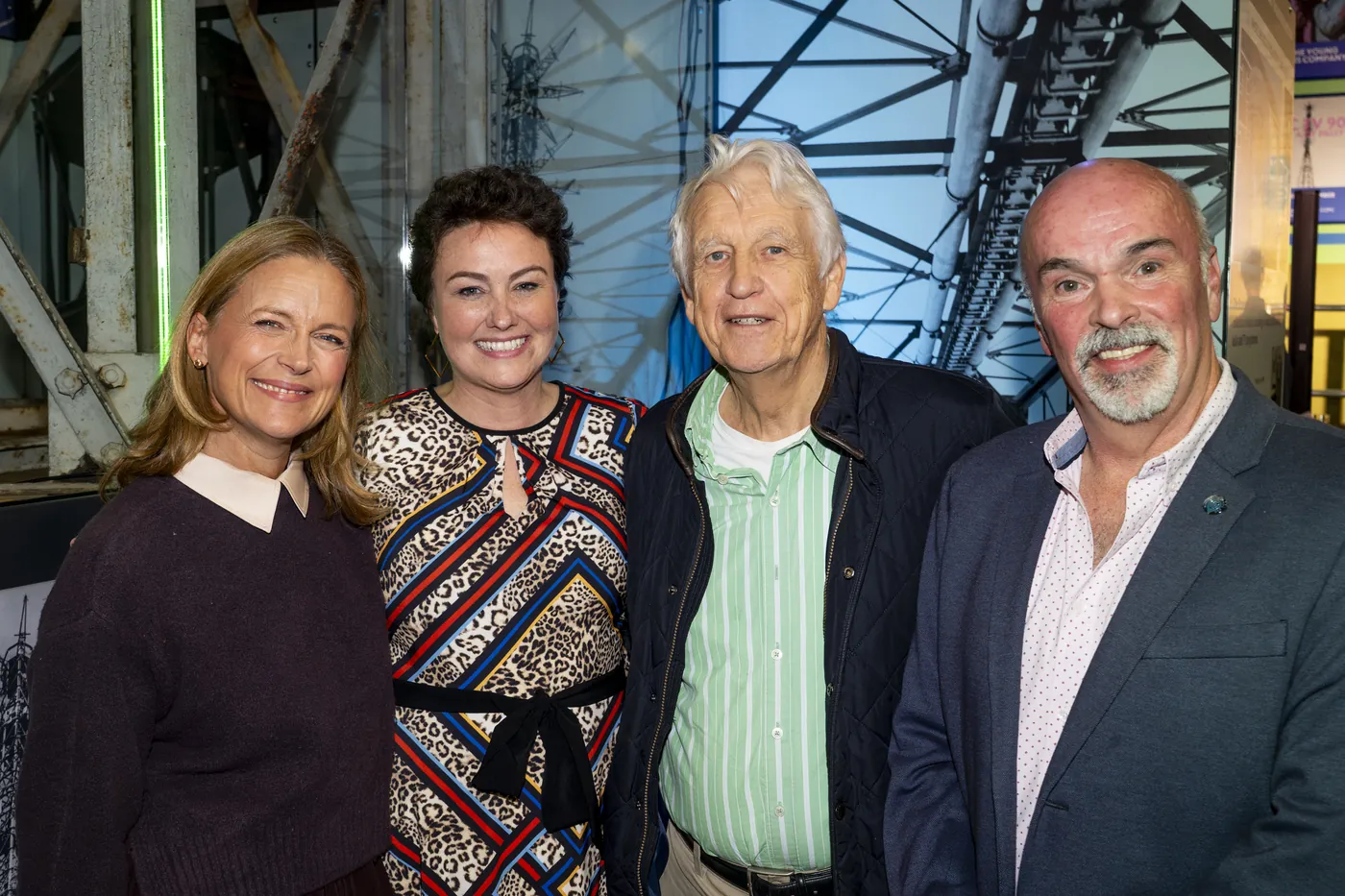
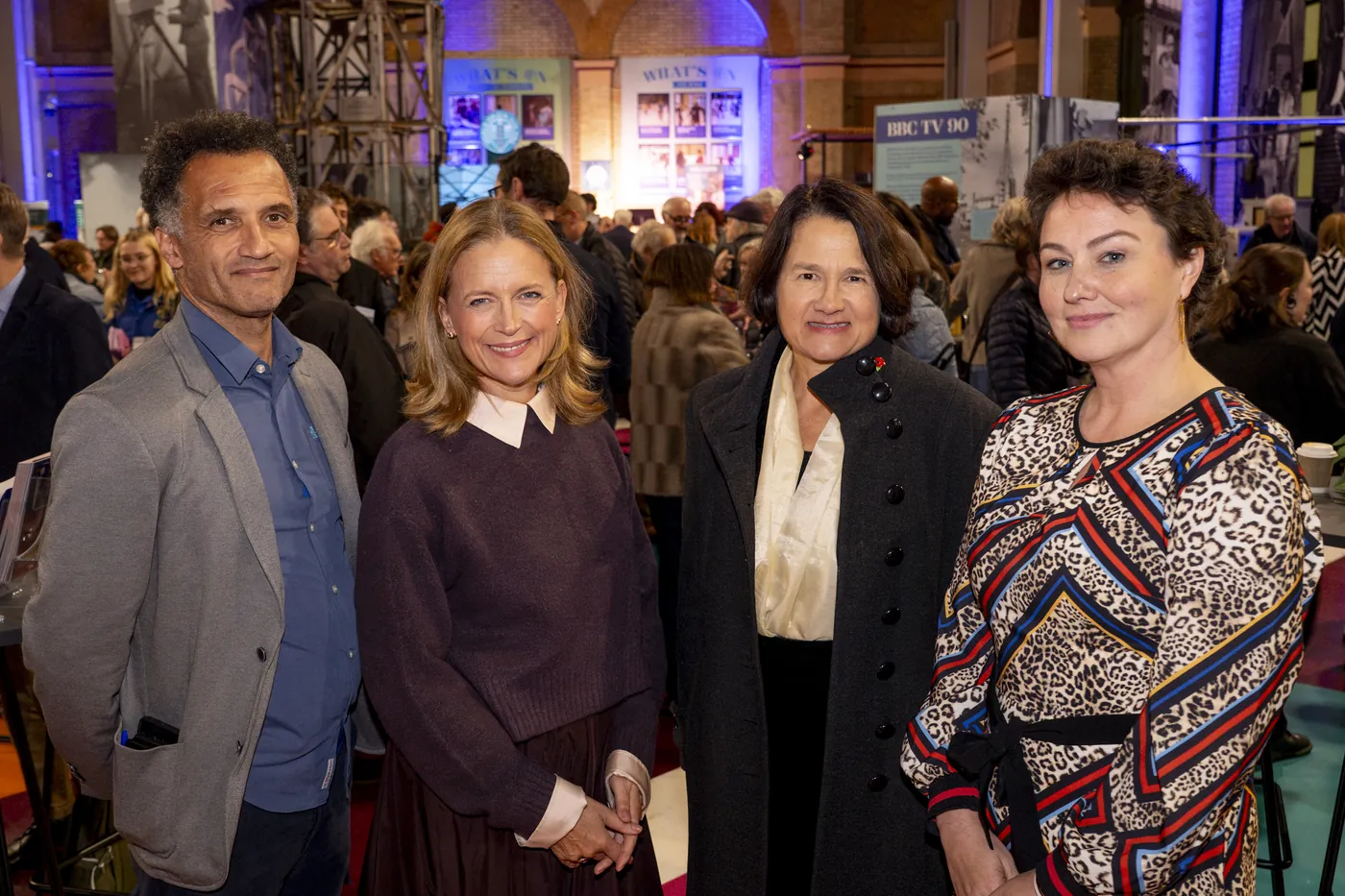
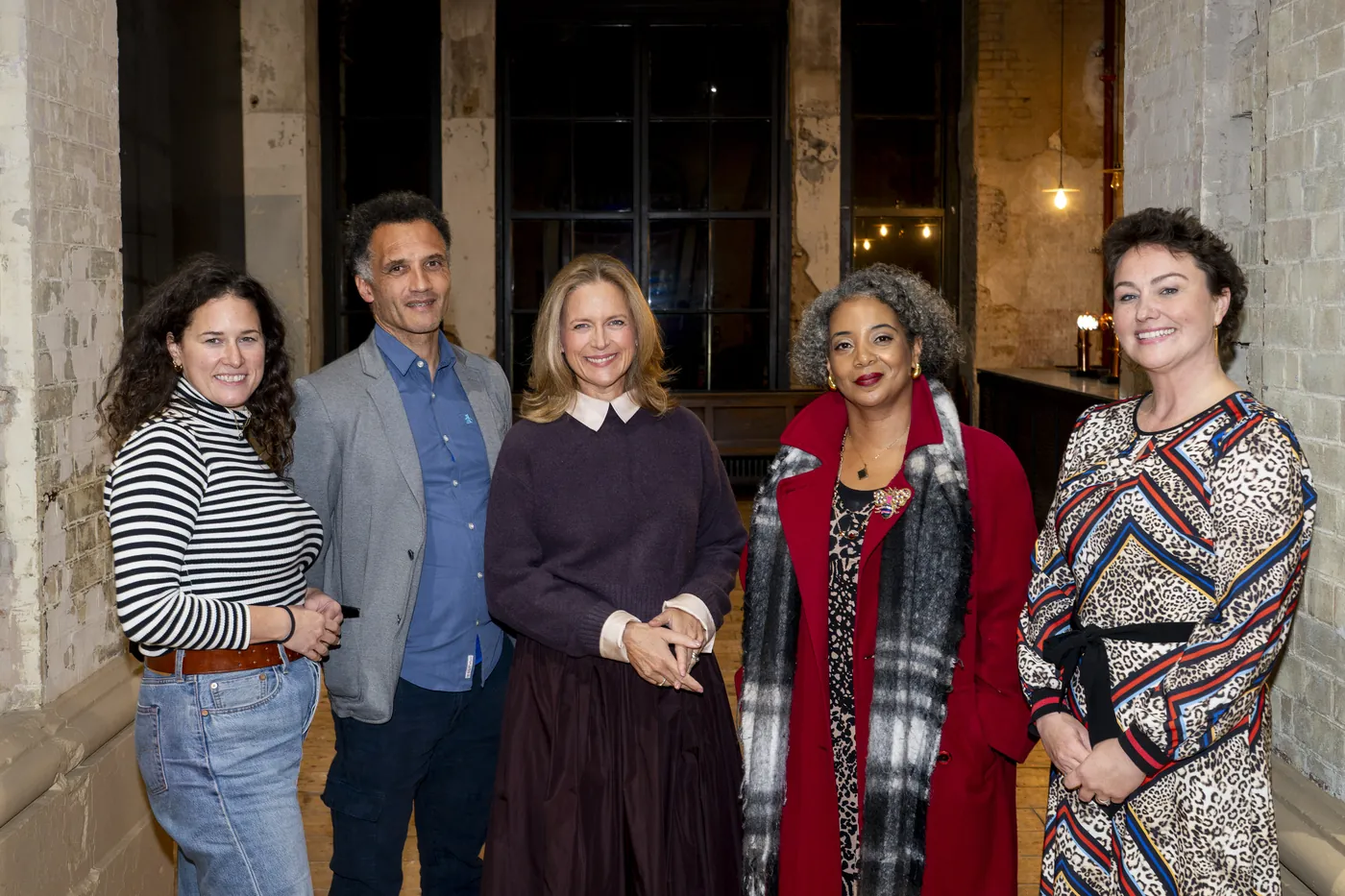
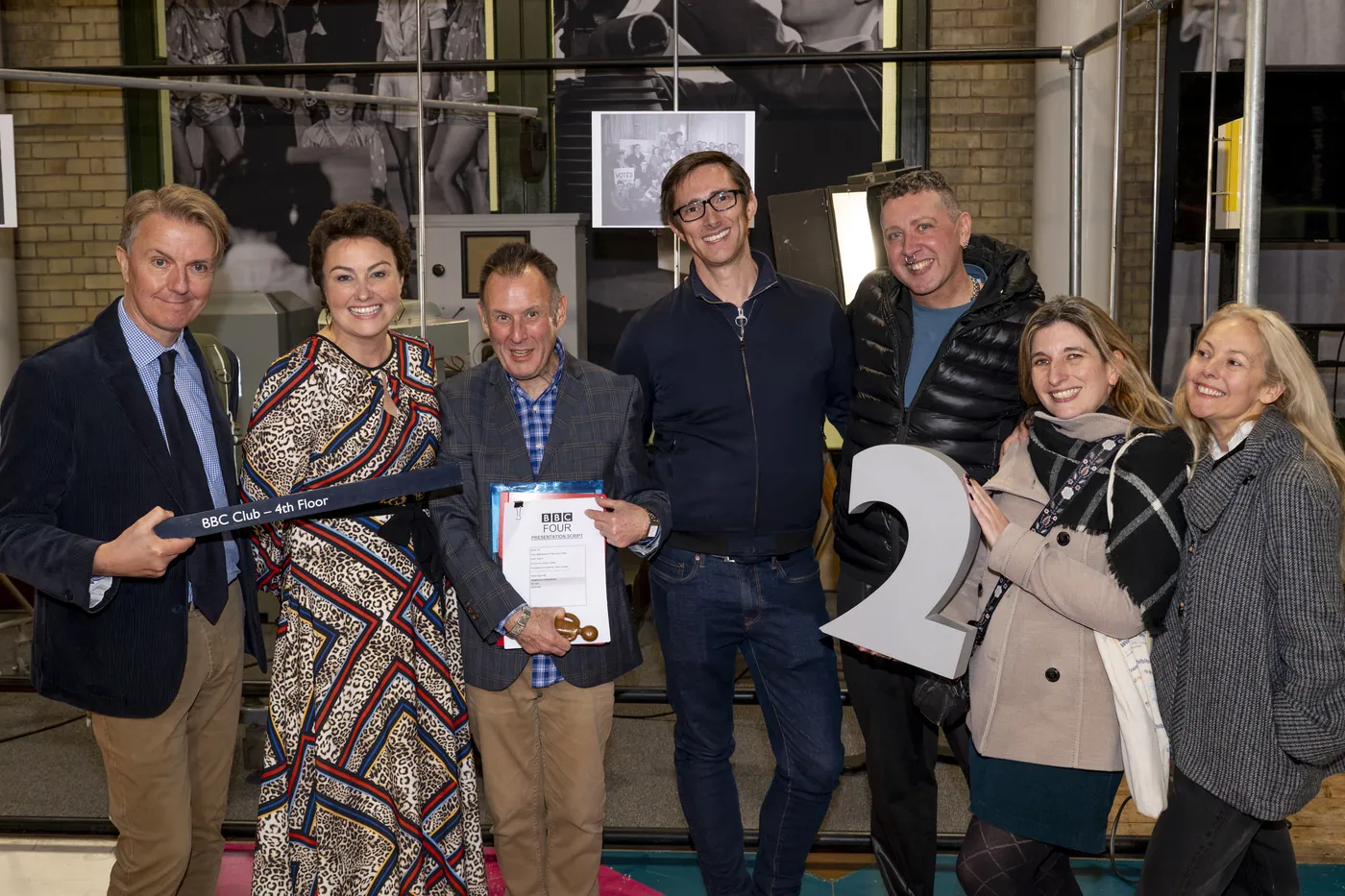
The evening brought together BBC representatives, broadcasters, television historians, heritage organisations and members of Haringey Council.
The speakers were:
- Emma Dagnes OBE, Chief Executive of Alexandra Park and Palace Charitable Trust
- Katie Derham, BBC broadcaster and presenter
- Kirsten Forrest, Curatorial and Interpretation Manager at Alexandra Palace
- Martin Wilkie, Founder of World Origin Site
The broadcaster and journalist Nicholas Owen was among the guests. So were Tove Okunniwa MBE of the BBC and Catherine West MP. Iain Logie Baird, grandson of the television inventor John Logie Baird, gave a talk at the Palace earlier that day.
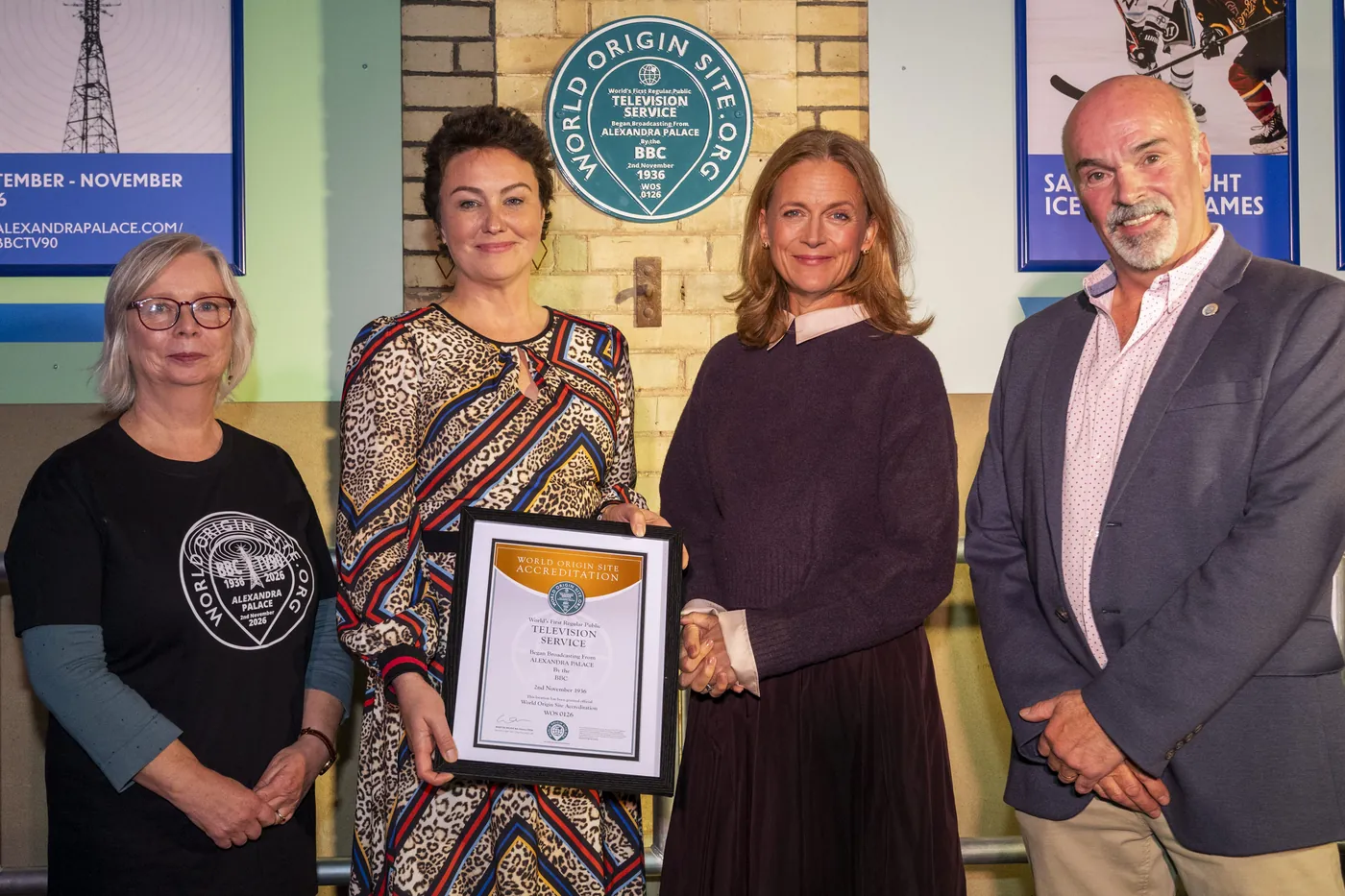
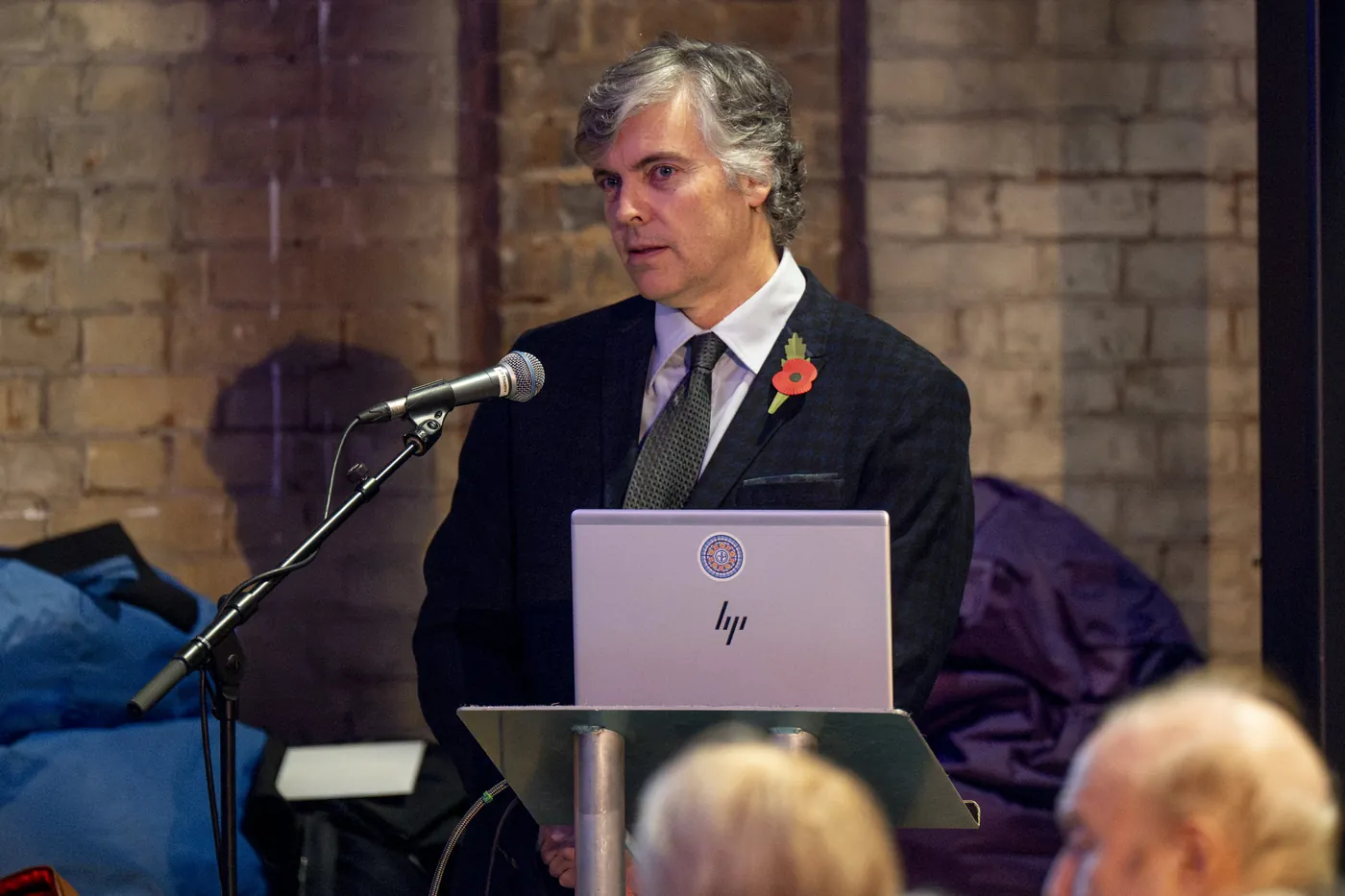
2 photos, swipe or scroll. Photos: Alexandra Park and Palace Charitable Trust / SLB Photography
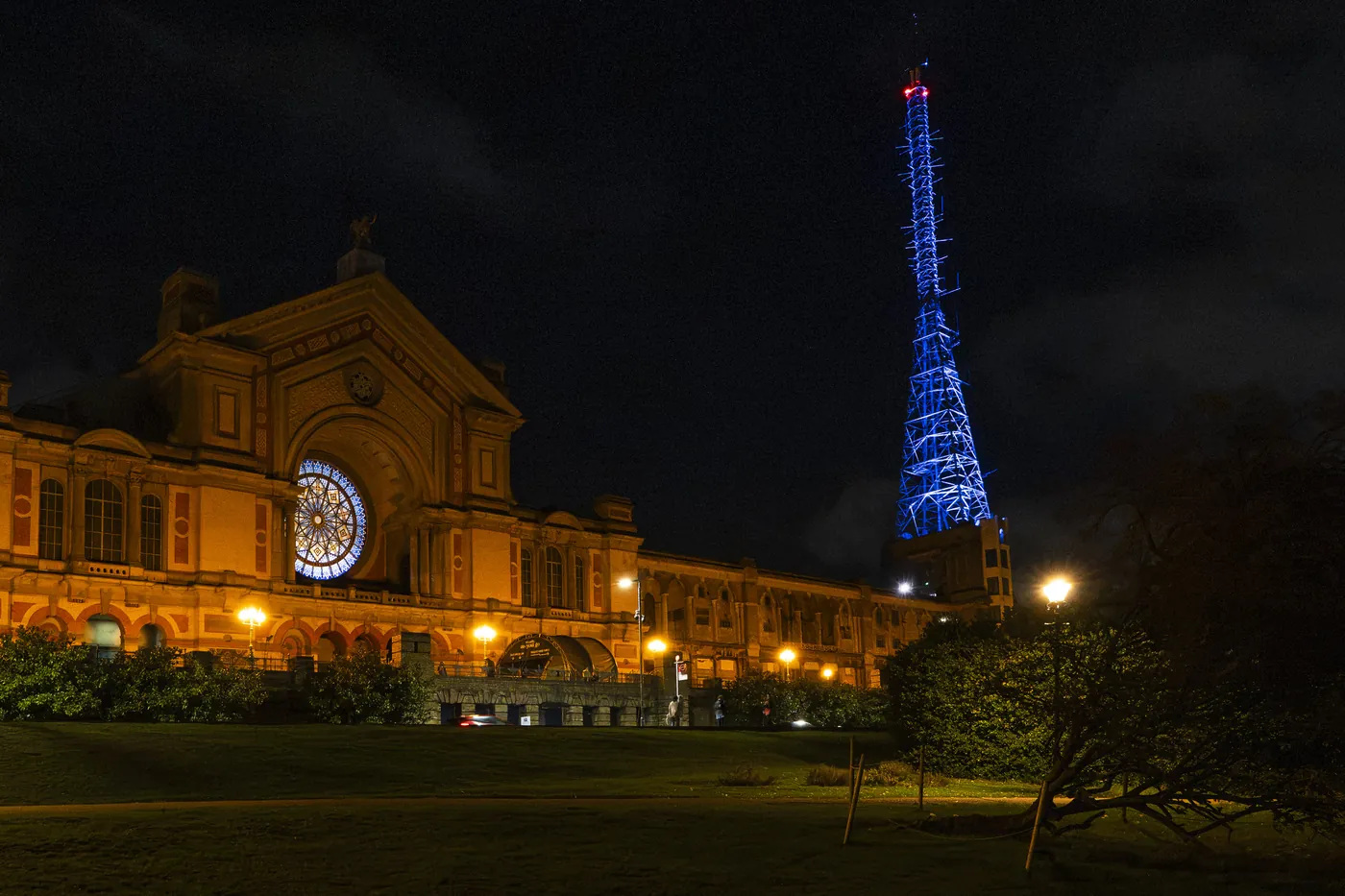
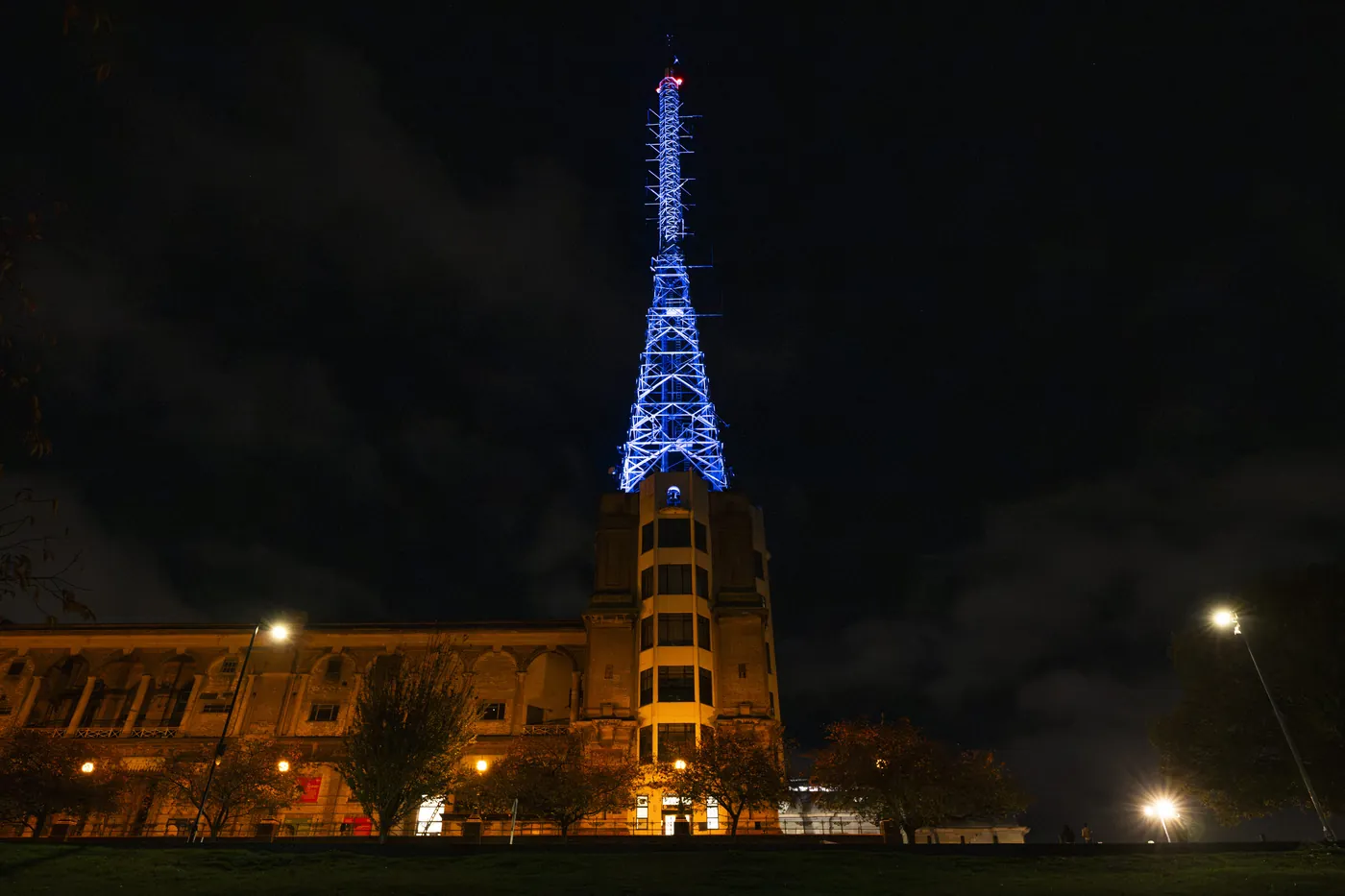
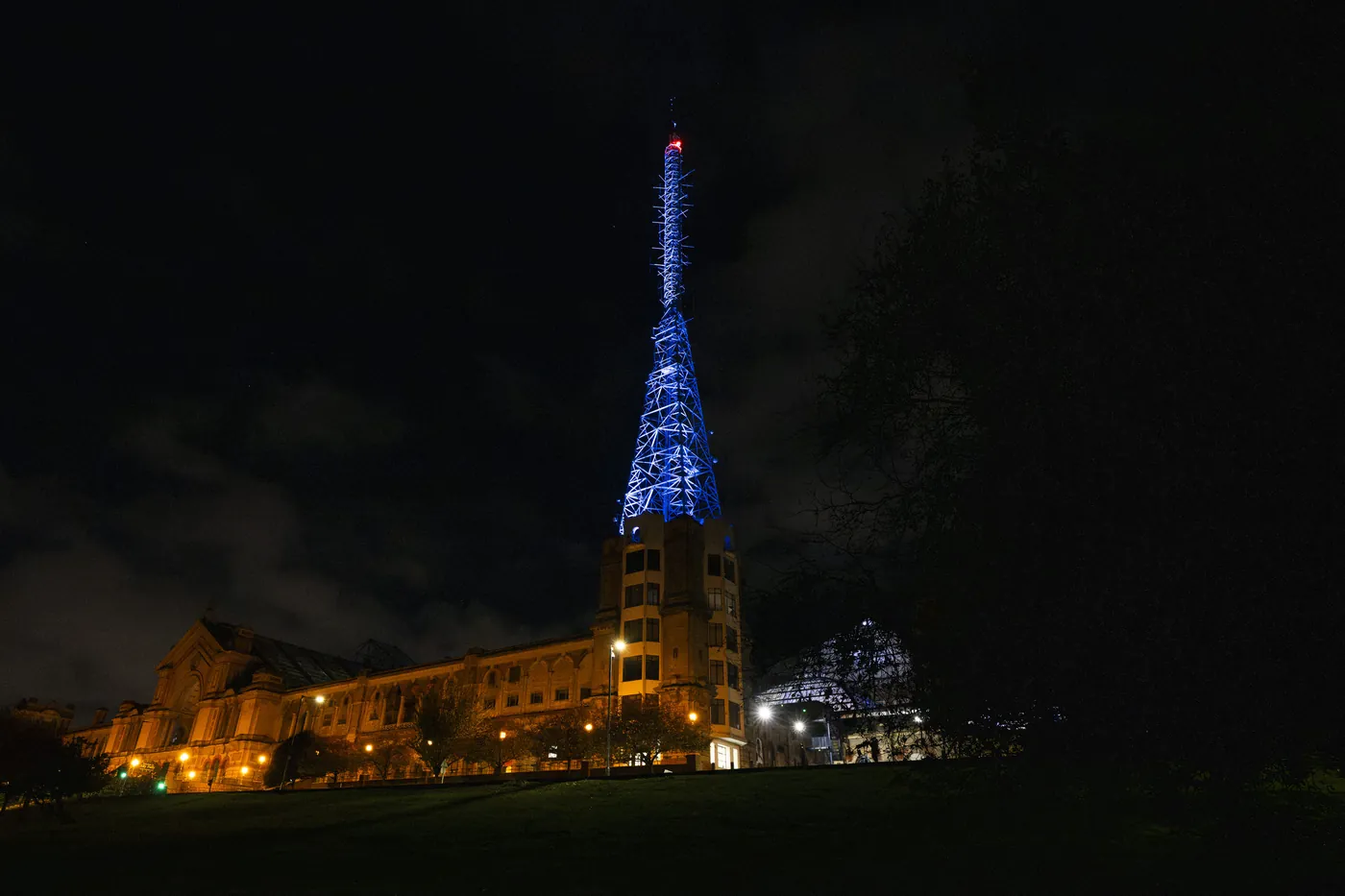
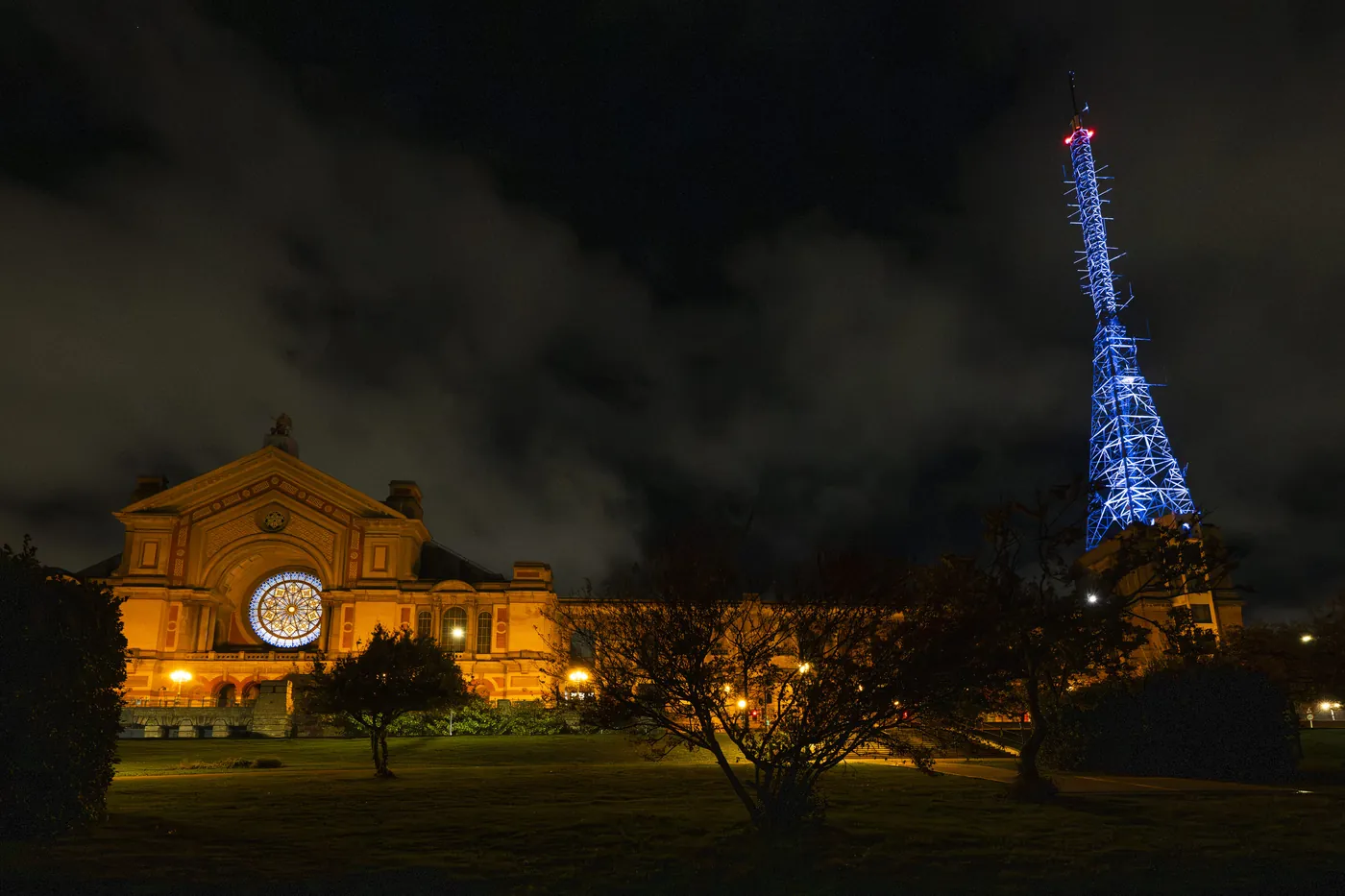
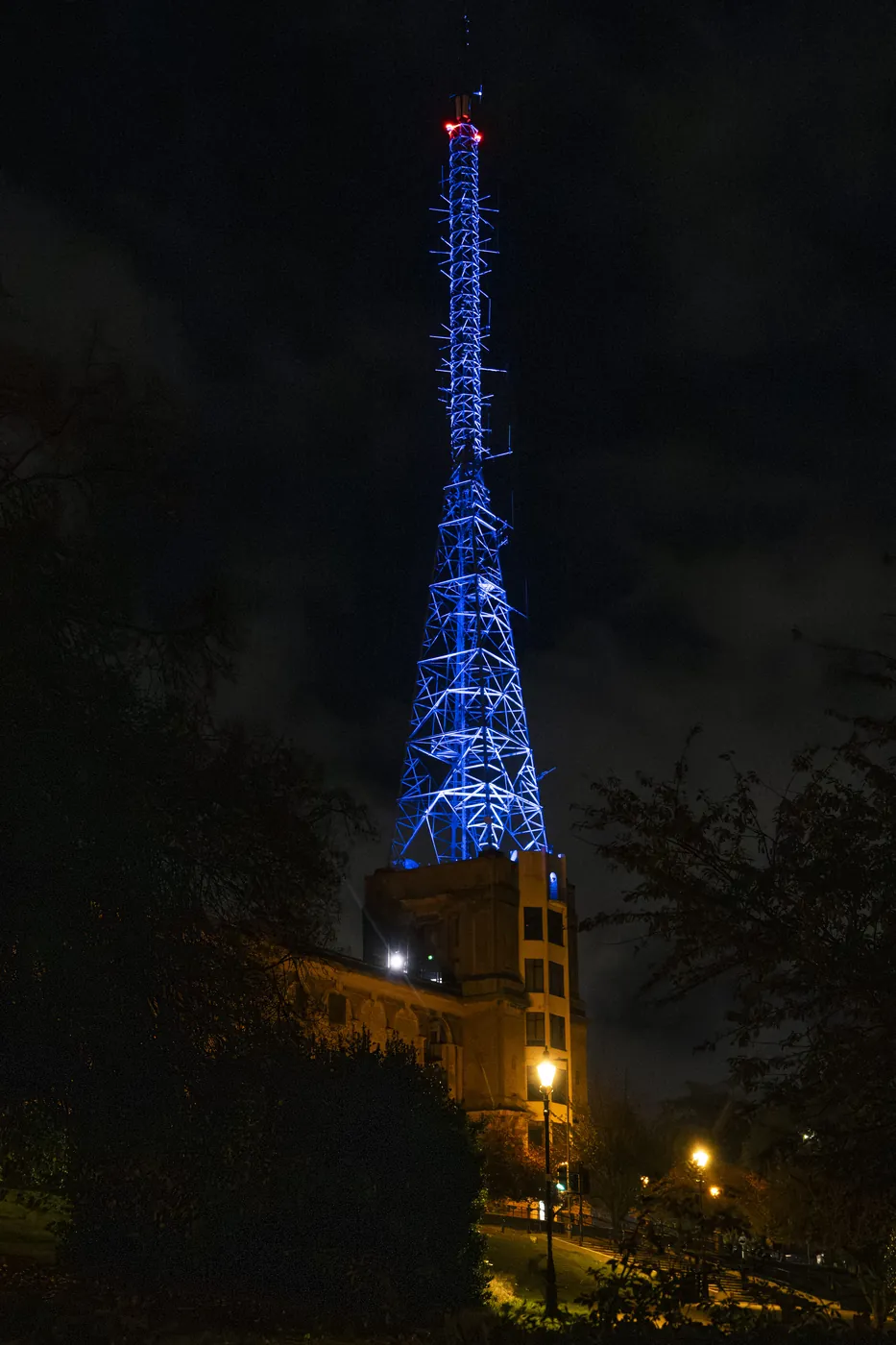
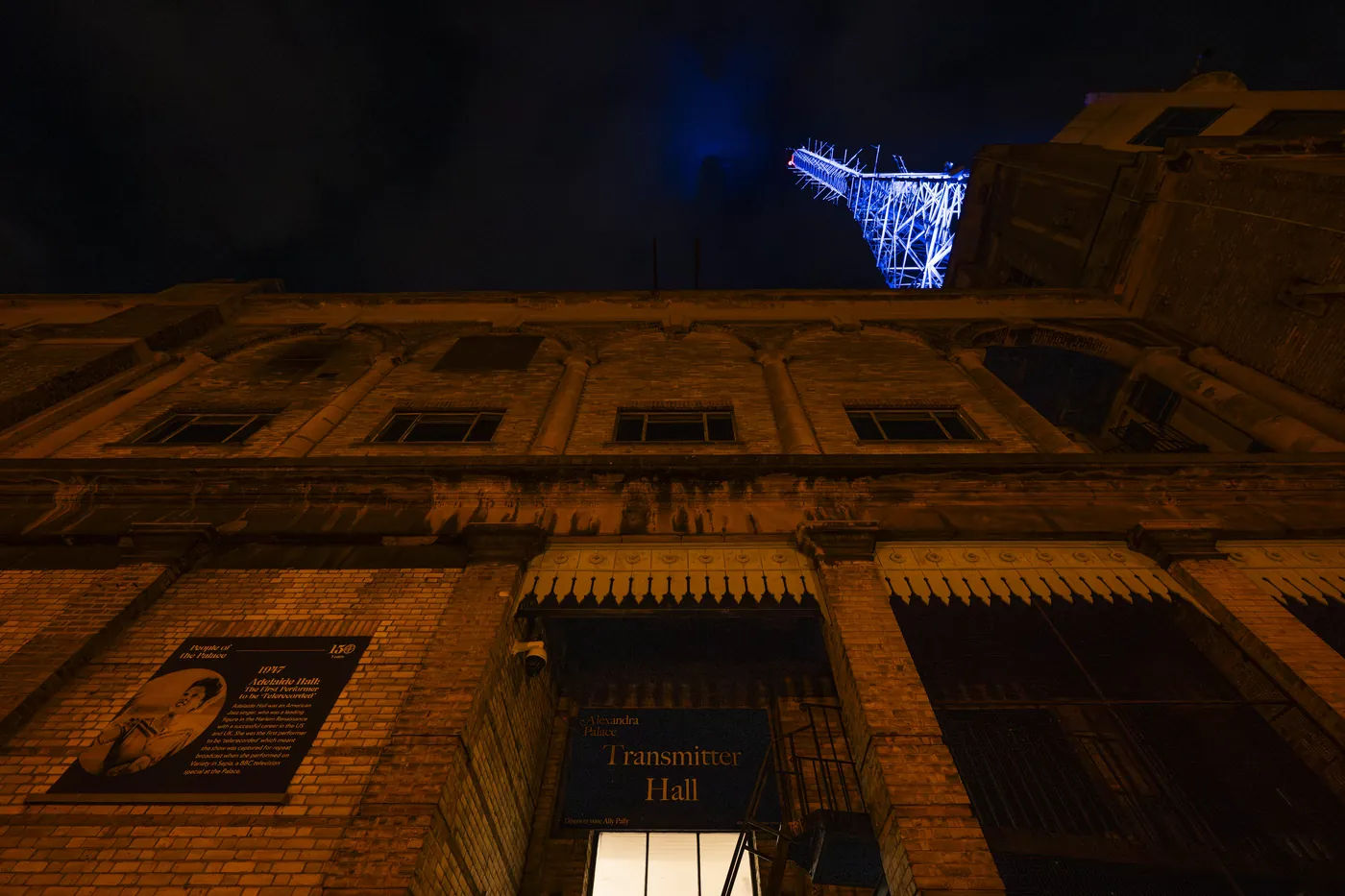
The Palace’s transmitter tower was lit up for the anniversary too. The Palace’s own photographs show it in blue above the darkened building.
What the Palace says
Dagnes and Forrest set out the point of the season when the Palace announced it.
Dagnes said: “Alexandra Palace has always been a place where innovation meets entertainment. 90 years ago, television changed forever, shaping the modern world as we know it today. ‘BBC TV 90 at Ally Pally’ celebrates that pioneering spirit and we’re looking forward to sharing the remarkable people, ideas and creativity that put Alexandra Palace at the heart of one of the greatest innovations of the twentieth century.”
Forrest said: “Alexandra Palace holds a place in the hearts and minds of millions of visitors every year. Through ‘BBC TV 90 at Ally Pally’, we’re inviting people to connect with one of the Palace’s most important histories in fresh and engaging ways.”
She added: “As custodians of this extraordinary building and parkland, creating opportunities for people to engage with our heritage is central to our vision for the future.”
Ninety years on the hill
These dates come from fact sheets the Palace issued for the anniversary.
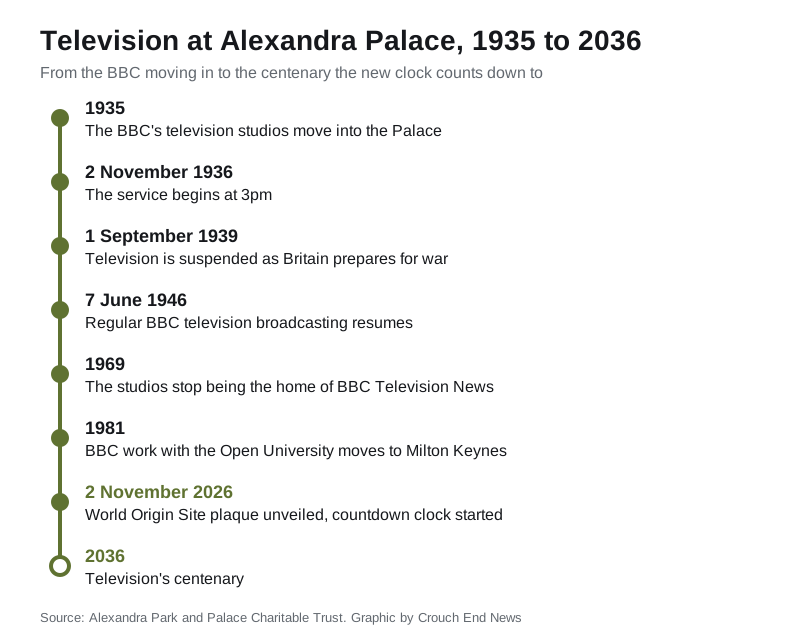
- 1935: The Palace became home to the BBC’s television studios.
- 2 November 1936, 3pm: Leslie Mitchell opened the service with the words “This is direct television from the studios at Alexandra Palace.” That first afternoon lasted one hour, then the service closed down for five.
- 1 September 1939: Television stopped as Britain prepared for war. The last thing shown was a Mickey Mouse cartoon, Mickey’s Gala Premiere.
- 7 June 1946: Regular broadcasting returned. Jasmine Bligh asked viewers: “Do you remember me?”
- Until 1969: The studios were the home of BBC Television News, after becoming so in the 1950s.
- 1970 to 1981: The BBC’s work with the Open University was made at the Palace, until it moved to Milton Keynes.
The Palace says the first audience may have been as small as 500 people, because a set cost around £100. By the 1953 Coronation an estimated 20 million people in Britain were watching.
It also traces several familiar formats to the hill:
- Gardening: Cecil Henry Middleton presented In the Garden from a purpose-built garden at the Palace on 21 November 1936.
- Children’s television: Muffin the Mule appeared with Annette Mills in For the Children in 1946.
- Election night: the BBC’s first televised results programme began at 10.45pm on 23 February 1950, with Richard Dimbleby presenting and Grace Wyndham Goldie behind its development.
- Daily news: BBC television news bulletins began on 5 July 1954 with News and Newsreel.
The tower built for television
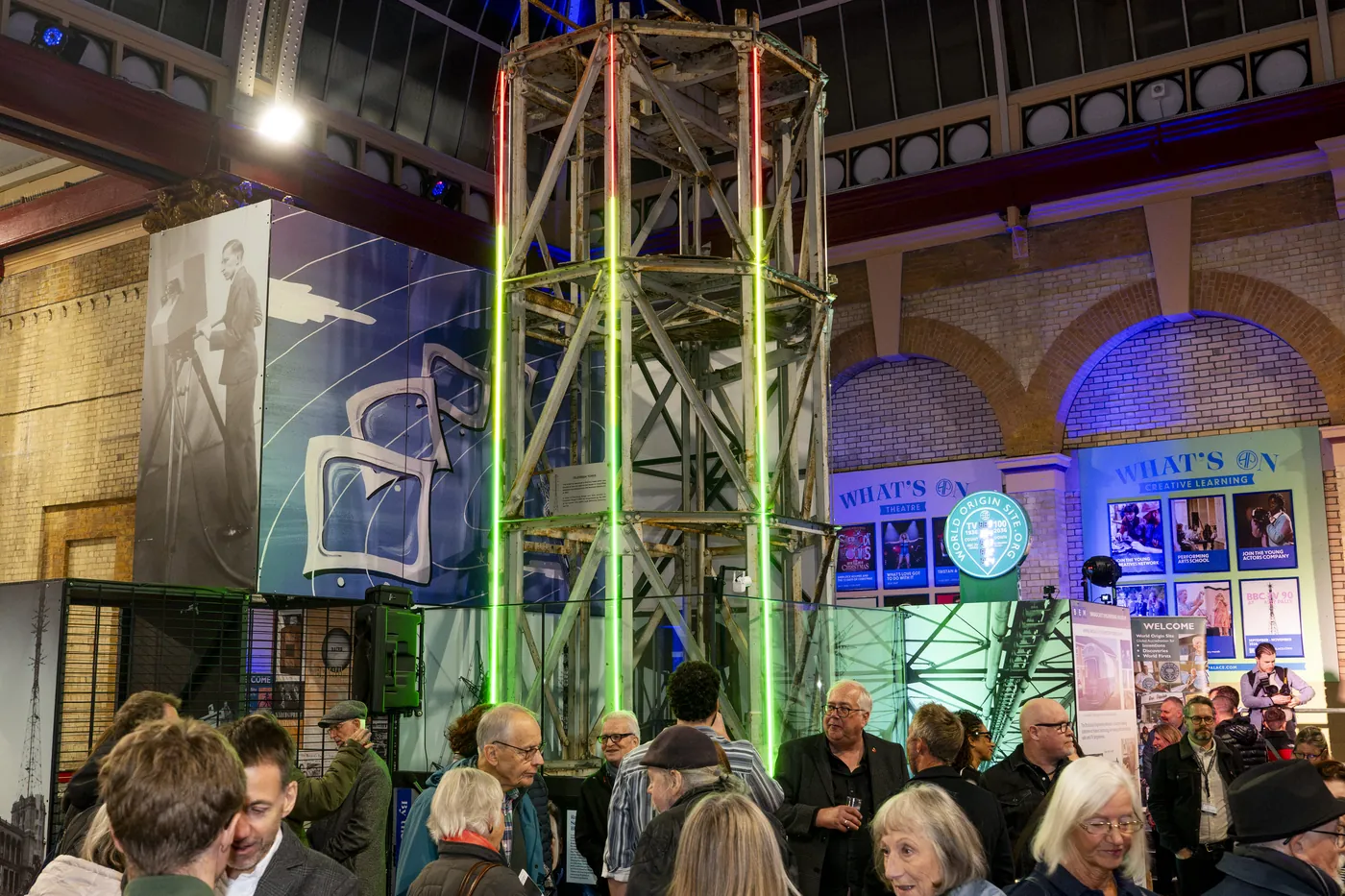
The steel tower was built for television in 1936. The Palace describes it as the oldest working television transmission tower in the world.
The 220ft mast put the aerials around 600ft above sea level, the Palace says, and that height is one of the main reasons television came here at all. Pictures went out from the top, with sound from a second system just below.
Its fact sheet also records what happened in the canteen. During test transmissions in August 1936, staff found the new equipment could make sparks fly from their cutlery.
During the Second World War, the sheet says, the equipment was reportedly adapted to interfere with radio signals guiding German bombers.
What it means for you
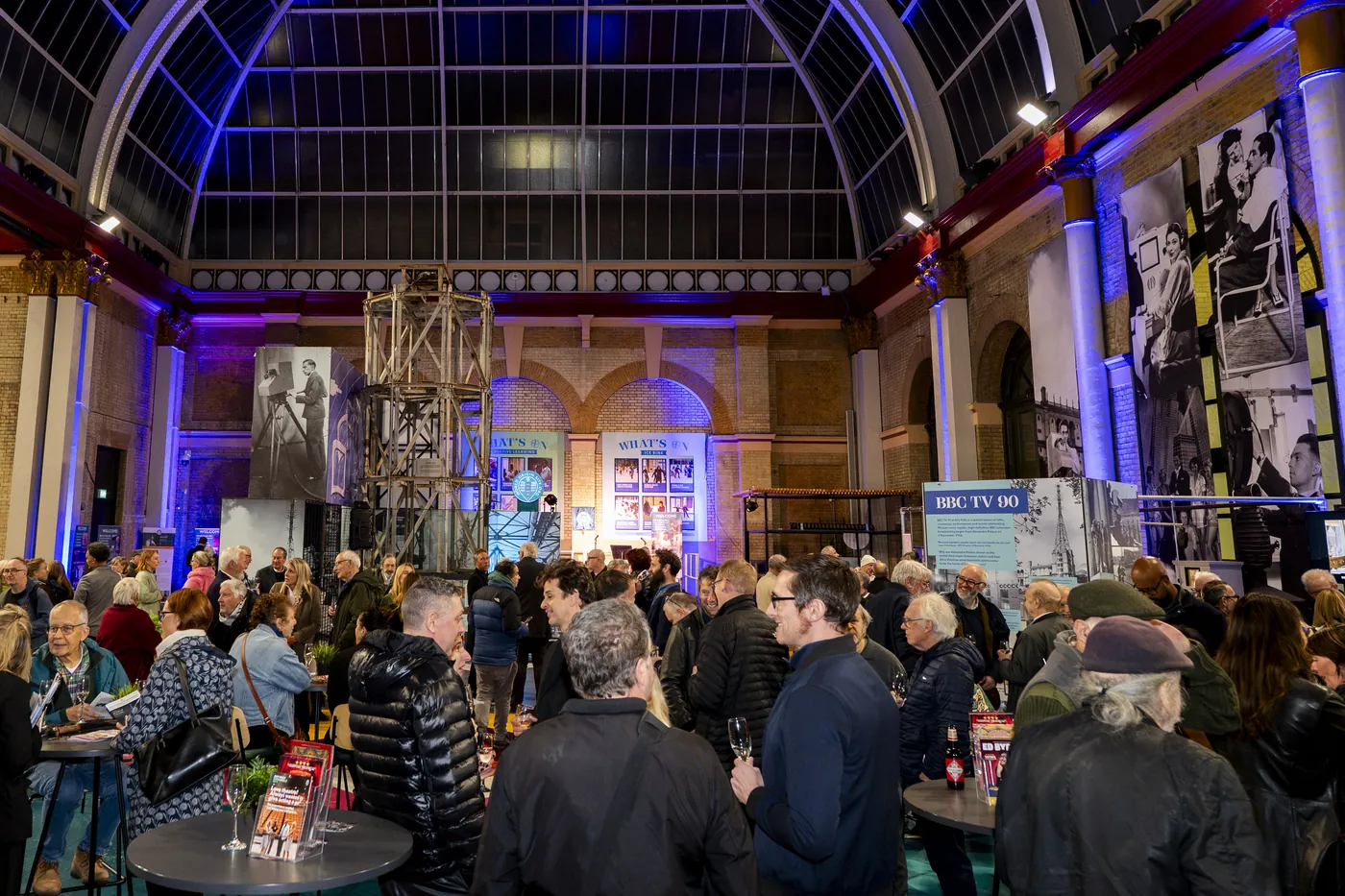
- The East Court display is free. It is open daily from 9am to 5pm until 30 November. It uses archive imagery to tell the story of the people, programmes and technology of early television.
- Look out for the prototype. The Palace says a 5.3m steel section from the top of the 200ft experimental tower at Hayes is on show in the East Court, from the collection of the EMI Archive Trust.
- There is one more event in the season. What Are You Looking At? is on Wednesday 18 and Thursday 19 November in the Creativity Pavilion, 7.30pm to 9.30pm, doors 7pm. The Palace’s Young Actors Company (ages 16 to 28) and the Ally Pally Ensemble (ages 50 and over) each perform a new piece. Advance tickets were listed at £5 to £15 when the season was announced.
- Mind this weekend’s fireworks. Alexandra Palace Way is closed from 2pm on Friday 6 to 3pm on Monday 9 November, so a weekday visit next week may be easier.
The full programme is on our BBC TV 90 page and on the Palace’s own site. For what else is happening nearby, see What’s On in Crouch End.
More pictures from the evening
18 photos, swipe or scroll. Photos: Alexandra Park and Palace Charitable Trust / SLB Photography
Alexandra Park and Palace Charitable Trust runs the Palace and its 196 acres of parkland. The photographs are by SLB Photography, courtesy of the Trust.
Have your say